
Boost Your Immune System Naturally
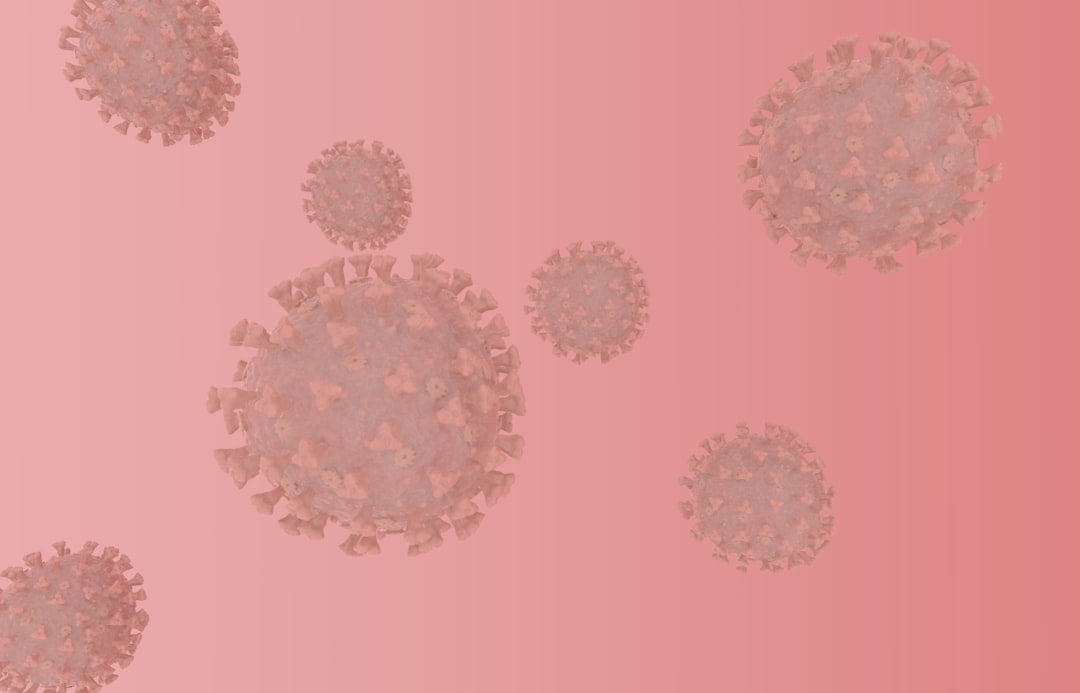
Imagine your body as a fortress, standing tall against the relentless onslaught of invaders. This fortress is your immune system, a complex network of cells, tissues, and organs that work tirelessly to protect you from harmful pathogens like bacteria, viruses, and other foreign substances. It’s not just a passive defense mechanism; it’s an active, dynamic system that adapts and evolves to meet the challenges posed by the environment.
Understanding how this intricate system operates is crucial for anyone looking to enhance their overall health and well-being. The immune system comprises various components, including white blood cells, antibodies, and the lymphatic system. Each plays a unique role in identifying and neutralizing threats.
For instance, when a virus enters your body, specialized white blood cells spring into action, recognizing the intruder and launching an attack. This process is not only fascinating but also essential for your survival. By learning more about how your immune system functions, you can take proactive steps to support and strengthen it, ensuring that your body remains resilient in the face of illness.
Key Takeaways
- The immune system is a complex network of cells, tissues, and organs that work together to defend the body against harmful pathogens.
- A strong immune system is essential for overall health and well-being, as it helps the body fight off infections and diseases.
- Eating a balanced diet rich in fruits, vegetables, and lean proteins can help boost immunity and provide essential nutrients for immune function.
- Making lifestyle changes such as getting regular exercise, adequate sleep, and reducing stress can contribute to a healthier immune system.
- Natural supplements and herbs like vitamin C, zinc, echinacea, and garlic can provide additional support for immune function.
Importance of a Strong Immune System
A robust immune system is your first line of defense against illness and disease. When functioning optimally, it can effectively ward off infections and reduce the severity of illnesses you may encounter. Think about it: when you catch a cold or the flu, it’s often your immune system that determines how quickly you recover.
A strong immune response can mean the difference between a few days of discomfort and a prolonged battle with sickness. Moreover, a well-functioning immune system does more than just fight off infections; it also plays a critical role in preventing chronic diseases. Research has shown that individuals with compromised immune systems are at a higher risk for conditions such as heart disease, diabetes, and even certain cancers.
By prioritizing your immune health, you’re not only protecting yourself from immediate threats but also investing in your long-term well-being. This understanding empowers you to take actionable steps toward enhancing your immunity and overall health.
Dietary Tips for Boosting Immunity

Your diet is one of the most powerful tools at your disposal for boosting your immune system. The foods you consume provide the essential nutrients that support immune function. For instance, vitamin C is renowned for its immune-boosting properties, found abundantly in citrus fruits like oranges and grapefruits.
Incorporating these fruits into your daily routine can help fortify your body’s defenses against illness. In addition to vitamin C, consider adding foods rich in antioxidants to your meals. Berries, nuts, and leafy greens are excellent sources that help combat oxidative stress in the body.
Antioxidants work by neutralizing free radicals—unstable molecules that can damage cells and weaken your immune response. By filling your plate with colorful fruits and vegetables, you’re not only nourishing your body but also creating a vibrant defense against potential health threats.
Lifestyle Changes for a Healthier Immune System
| Change | Impact |
|---|---|
| Regular Exercise | Strengthens immune system |
| Healthy Diet | Provides essential nutrients for immune function |
| Adequate Sleep | Supports immune system function |
| Stress Management | Reduces risk of immune system suppression |
| Hydration | Supports immune system function |
While diet plays a significant role in immune health, lifestyle choices are equally important. One of the most impactful changes you can make is to prioritize sleep. Quality sleep is essential for maintaining a strong immune system; during sleep, your body undergoes critical repair processes that bolster immune function.
Aim for 7-9 hours of restful sleep each night to give your body the time it needs to recharge. Another vital lifestyle change is staying hydrated. Water is essential for nearly every bodily function, including the production of lymph—a fluid that circulates through your lymphatic system and helps transport immune cells throughout your body.
Dehydration can hinder this process, making it more challenging for your immune system to respond effectively to threats. Make it a habit to drink plenty of water throughout the day, and consider incorporating herbal teas or broths for added hydration and nourishment.
Natural Supplements and Herbs for Immune Support
In addition to dietary changes and lifestyle adjustments, natural supplements and herbs can provide an extra layer of support for your immune system. For example, echinacea has long been used in traditional medicine for its potential to enhance immune function.
Rich in antioxidants and vitamins, elderberry has been shown to have antiviral properties that may help combat respiratory infections. You can find elderberry syrup or capsules at health food stores or make your own elderberry syrup at home for a delicious way to boost your immune health.
Remember to consult with a healthcare professional before starting any new supplement regimen to ensure it aligns with your individual health needs.
Exercise and Immune Function
Regular physical activity is another cornerstone of a healthy immune system. Exercise has been shown to enhance circulation, allowing immune cells to move more freely throughout the body. This increased circulation helps your body respond more effectively to infections and other health challenges.
Whether it’s a brisk walk, a yoga session, or an intense workout at the gym, finding an activity you enjoy can make all the difference in maintaining consistency. Moreover, exercise has been linked to reduced inflammation and improved mood—both of which contribute positively to immune function. When you engage in physical activity, your body releases endorphins, which can help alleviate stress and anxiety.
This connection between physical health and mental well-being underscores the importance of incorporating regular exercise into your routine as part of a holistic approach to supporting your immune system.
Stress Management and Immunity
Speaking of stress, it’s essential to recognize its impact on your immune health. Chronic stress can lead to elevated levels of cortisol—a hormone that can suppress immune function over time. When you’re constantly under pressure, your body may struggle to mount an effective response to infections or illnesses.
Therefore, finding effective stress management techniques is crucial for maintaining a strong immune system. Consider incorporating mindfulness practices such as meditation or deep-breathing exercises into your daily routine. These techniques can help calm your mind and reduce stress levels, allowing your body to focus on healing and recovery.
Additionally, engaging in hobbies or activities that bring you joy can serve as a powerful antidote to stress. Whether it’s painting, gardening, or spending time with loved ones, prioritizing activities that uplift your spirit can have a profound impact on your overall health.
Maintaining a Strong Immune System
In conclusion, nurturing a strong immune system is an ongoing journey that requires attention to various aspects of your life—from diet and exercise to stress management and sleep hygiene. By making informed choices and adopting healthy habits, you empower yourself to build resilience against illness and disease. Remember that small changes can lead to significant improvements over time; even minor adjustments in your daily routine can have lasting effects on your immune health.
As you embark on this journey toward better immunity, keep in mind that knowledge is power. Stay informed about the latest research and trends in natural health, and don’t hesitate to seek guidance from healthcare professionals when needed. By taking proactive steps today, you’re investing in a healthier tomorrow—one where you can thrive and enjoy life to its fullest potential.
So go ahead—embrace this empowering path toward optimal health and well-being!
If you’re interested in exploring natural ways to strengthen your immune system, you might also find it beneficial to learn about creating a productivity plan for the year. A well-structured plan can help reduce stress, which is known to have a positive impact on immune health. For more insights on this topic, check out this related article: How to Create a Productivity Plan for the Year. By managing your time effectively and reducing stress, you can support your overall well-being and immune function.
FAQs
What are natural ways to strengthen the immune system?
Some natural ways to strengthen the immune system include eating a healthy diet rich in fruits and vegetables, getting regular exercise, managing stress, getting enough sleep, and avoiding smoking and excessive alcohol consumption.
What foods can help boost the immune system?
Foods that can help boost the immune system include citrus fruits, red bell peppers, broccoli, garlic, ginger, spinach, yogurt, almonds, turmeric, green tea, and papaya.
How does exercise help strengthen the immune system?
Regular exercise can help strengthen the immune system by promoting good circulation, which allows the cells and substances of the immune system to move through the body freely and do their job efficiently.
Can managing stress help strengthen the immune system?
Yes, managing stress can help strengthen the immune system. Chronic stress can suppress the immune response, so finding ways to manage stress such as through meditation, yoga, or deep breathing exercises can be beneficial.
How does sleep affect the immune system?
Getting enough sleep is important for a healthy immune system. During sleep, the immune system releases proteins called cytokines, some of which help promote sleep. Lack of sleep can decrease the production of these protective cytokines.
Are there any supplements that can help strengthen the immune system?
Some supplements that may help strengthen the immune system include vitamin C, vitamin D, zinc, echinacea, and probiotics. However, it’s important to talk to a healthcare professional before starting any new supplements.