

Boost Your Child’s Health with Vitamin-Rich Foods
When it comes to nurturing your child’s health, the significance of vitamin-rich foods cannot be overstated. Vitamins play a crucial role in various bodily functions, from supporting the immune system to promoting healthy growth and development. As a parent, you want to ensure that your little ones are getting the nutrients they need to thrive.
A diet abundant in vitamins not only helps in building a strong foundation for their physical health but also supports cognitive development, emotional well-being, and overall vitality. Incorporating a variety of vitamin-rich foods into your child’s diet can set them up for a lifetime of healthy eating habits. The colorful array of fruits and vegetables available today offers an exciting opportunity to introduce your child to new flavors and textures.
By making these foods a staple in their meals, you can instill a sense of curiosity about nutrition and empower them to make healthier choices as they grow. Remember, the journey to good health starts with what’s on their plate!
Key Takeaways
- Vitamin-rich foods are important for children’s overall health and development.
- Essential vitamins for a child’s health include A, C, D, and E.
- Sources of vitamin A include carrots, sweet potatoes, and spinach.
- Sources of vitamin C include oranges, strawberries, and bell peppers.
- Sources of vitamin D include sunlight, fortified milk, and fatty fish.
- Sources of vitamin E include almonds, sunflower seeds, and spinach.
- Creative ways to incorporate vitamin-rich foods into your child’s diet include smoothies, homemade fruit popsicles, and veggie-packed pasta dishes.
- Potential risks of vitamin deficiency in children include weakened immune system, poor bone health, and vision problems.
Essential Vitamins for Child’s Health
Understanding which vitamins are essential for your child’s health is key to ensuring they receive a balanced diet. Each vitamin plays a unique role in their development. For instance, Vitamin A is vital for vision and immune function, while Vitamin C is known for its antioxidant properties and its role in collagen production.
Vitamin D is crucial for bone health, helping the body absorb calcium effectively, and Vitamin E acts as a powerful antioxidant that protects cells from damage. As you navigate the world of nutrition, it’s important to recognize that children have different needs compared to adults. Their growing bodies require specific amounts of these vitamins to support their rapid development.
For example, toddlers and preschoolers need adequate Vitamin D to promote healthy bone growth, while school-aged children benefit from Vitamin C to help fend off common colds and infections. By focusing on these essential vitamins, you can help your child build a strong foundation for lifelong health.
Sources of Vitamin A
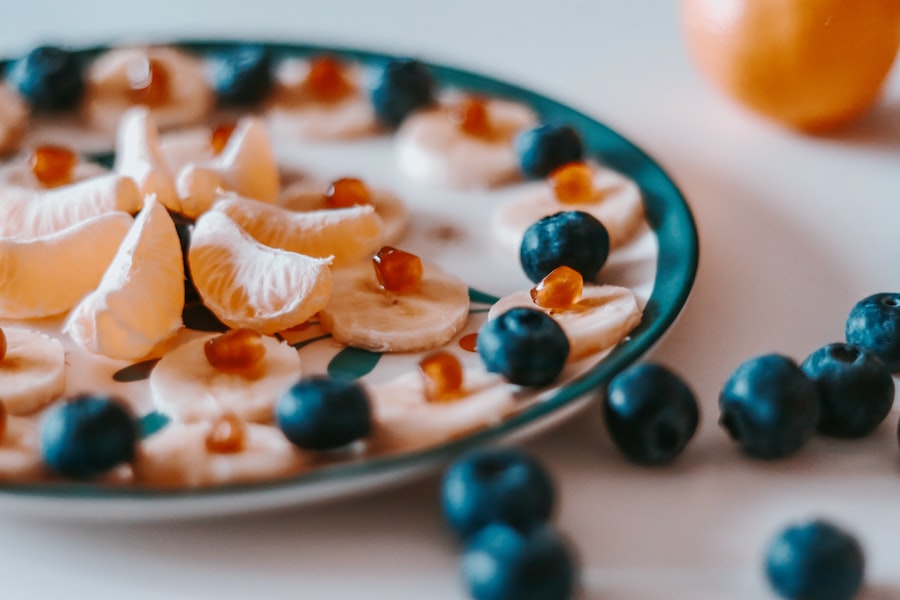
Vitamin A is often referred to as the “vision vitamin,” and for good reason. It plays a critical role in maintaining healthy eyesight, particularly in low-light conditions. Additionally, it supports immune function and skin health.
You might be surprised to learn that there are two primary forms of Vitamin A: preformed Vitamin A (found in animal products) and provitamin A carotenoids (found in plant-based foods). This means you have plenty of options when it comes to incorporating this essential nutrient into your child’s diet. To ensure your child gets enough Vitamin A, consider introducing foods like carrots, sweet potatoes, spinach, and kale into their meals.
These vibrant vegetables are not only packed with nutrients but also offer a delightful array of colors that can make mealtime more appealing. For those who enjoy animal products, liver, fish, and dairy are excellent sources of preformed Vitamin By mixing and matching these foods, you can create delicious dishes that are both nutritious and enjoyable for your little ones.
Sources of Vitamin C
| Food Source | Vitamin C Content (mg) |
|---|---|
| Orange | 53.2 |
| Strawberries | 58.8 |
| Kiwi | 92.7 |
| Red Bell Pepper | 95.3 |
| Broccoli | 81.2 |
Vitamin C is another powerhouse nutrient that plays a vital role in your child’s health. Known for its immune-boosting properties, this vitamin helps protect against infections and supports the healing process when your child does fall ill. Additionally, Vitamin C aids in the absorption of iron from plant-based foods, making it an essential component of a balanced diet.
Fortunately, there are countless delicious sources of Vitamin C that you can easily incorporate into your child’s meals.
Bell peppers, strawberries, kiwi, and broccoli are all excellent choices that can add variety to your child’s plate.
You might even consider making a colorful fruit salad or a refreshing smoothie that combines several sources of Vitamin C for a tasty treat. By making these foods fun and accessible, you can encourage your child to enjoy the benefits of this essential vitamin.
Sources of Vitamin D
Vitamin D is often called the “sunshine vitamin” because our bodies produce it when exposed to sunlight. However, many children may not get enough sun exposure due to various factors such as living in northern climates or spending too much time indoors. This makes it crucial to find alternative sources of Vitamin D to ensure your child’s health remains optimal.
This vitamin is essential for calcium absorption and bone health, making it particularly important during periods of rapid growth. To boost your child’s Vitamin D intake, consider incorporating fortified foods into their diet. Many dairy products, plant-based milk alternatives, and breakfast cereals are fortified with this vital nutrient.
Fatty fish like salmon and mackerel are also excellent natural sources of Vitamin D that can be included in family meals. If you’re looking for creative ways to serve these foods, try baking salmon with a flavorful marinade or making fish tacos with fresh toppings. By being proactive about Vitamin D intake, you can help support your child’s overall health and well-being.
Sources of Vitamin E
Vitamin E is often overlooked but is an essential nutrient that plays a significant role in protecting cells from oxidative stress and supporting immune function. This fat-soluble vitamin is also important for maintaining healthy skin and eyes. As a parent, you may wonder how to ensure your child gets enough Vitamin E in their diet without overwhelming them with supplements or fortified foods.
Nuts and seeds are among the richest sources of Vitamin E; however, they may not be suitable for younger children due to choking hazards. Instead, consider incorporating healthy oils like olive oil or sunflower oil into your cooking. Avocados are another fantastic source of Vitamin E that can be easily added to smoothies or spread on whole-grain toast.
Additionally, leafy greens such as spinach and Swiss chard provide a good amount of this nutrient as well. By creatively integrating these foods into your child’s meals, you can help them reap the benefits of Vitamin E while keeping their diet diverse and enjoyable.
Creative Ways to Incorporate Vitamin-Rich Foods into Your Child’s Diet
Getting children excited about eating vitamin-rich foods can sometimes feel like a challenge, but with a little creativity, it can become an enjoyable experience for both you and your child. One effective strategy is to involve them in the cooking process. Allowing your child to help wash vegetables or mix ingredients can spark their interest in what they’re eating.
You might even consider hosting a “family cooking night” where everyone contributes to preparing a meal filled with colorful fruits and vegetables. Another fun approach is to create visually appealing dishes that showcase the vibrant colors of vitamin-rich foods. For example, you could prepare a rainbow salad featuring red tomatoes, orange carrots, yellow bell peppers, green spinach, blue blueberries, and purple cabbage.
Not only does this make the meal visually enticing, but it also provides an opportunity to discuss the different vitamins each color represents. Additionally, consider experimenting with smoothies or homemade popsicles that blend various fruits and vegetables together—these can be both nutritious and delicious!
Potential Risks of Vitamin Deficiency in Children
While it’s essential to focus on incorporating vitamin-rich foods into your child’s diet, it’s equally important to understand the potential risks associated with vitamin deficiencies. A lack of essential vitamins can lead to various health issues that may affect your child’s growth and development. For instance, insufficient Vitamin A can result in vision problems or weakened immunity, while a deficiency in Vitamin D may lead to rickets—a condition characterized by weak or soft bones.
Moreover, vitamin deficiencies can also impact cognitive function and emotional well-being. Children who do not receive adequate amounts of B vitamins may experience fatigue or difficulty concentrating in school. As a parent, being aware of these risks allows you to take proactive steps toward ensuring your child receives the nutrients they need for optimal health.
Regular check-ups with healthcare professionals can help monitor your child’s nutritional status and guide you in making informed dietary choices. In conclusion, prioritizing vitamin-rich foods in your child’s diet is an investment in their long-term health and happiness. By understanding the importance of essential vitamins and exploring creative ways to incorporate them into meals, you can empower your child to develop healthy eating habits that will last a lifetime.
Remember that every small step counts—by making informed choices today, you’re setting the stage for a brighter tomorrow!
When it comes to ensuring that children receive the necessary nutrients for their growth and development, incorporating vitamin-rich foods into their diet is essential. These foods not only support physical health but also contribute to cognitive development and overall well-being.
An article that delves into strategies for forming better habits, which can be applied to encouraging healthier eating patterns in children, can be found here. This resource provides insights into creating positive changes that can lead to long-term health benefits for children.
FAQs
What are the benefits of vitamin-rich foods for children?
Vitamin-rich foods provide essential nutrients that support children’s growth, development, and overall health. Vitamins play a crucial role in maintaining a strong immune system, promoting healthy bone growth, supporting cognitive function, and ensuring proper energy metabolism.
Which vitamins are important for children’s health?
Some of the key vitamins that are important for children’s health include vitamin A, vitamin C, vitamin D, vitamin E, and the B vitamins (including B6, B12, and folate). These vitamins play various roles in supporting overall health, from promoting strong bones and teeth to supporting brain function and energy production.
What are some examples of vitamin-rich foods for children?
Some examples of vitamin-rich foods for children include fruits such as oranges, strawberries, and kiwi (which are high in vitamin C), vegetables such as carrots, sweet potatoes, and spinach (which are high in vitamin A), dairy products such as milk and yogurt (which are high in vitamin D and calcium), and whole grains such as fortified cereals and breads (which are high in B vitamins).
How can parents ensure that their children are getting enough vitamins in their diet?
Parents can ensure that their children are getting enough vitamins in their diet by offering a variety of nutrient-dense foods, including fruits, vegetables, whole grains, lean proteins, and dairy products. It’s also important to limit the intake of processed and sugary foods, which can displace more nutrient-dense options.
Are vitamin supplements necessary for children if they are already eating a balanced diet?
In general, if children are eating a balanced diet that includes a variety of nutrient-rich foods, they should be able to get all the vitamins they need from their diet alone. However, in some cases, a pediatrician may recommend a vitamin supplement if a child has specific dietary restrictions or if there are concerns about a potential deficiency. It’s important to consult with a healthcare professional before giving children any vitamin supplements.