

Boost Memory with Meditation
Have you ever found yourself struggling to recall a name or a fact, only to have it pop into your mind later when you least expect it? Memory is a complex process that involves encoding, storing, and retrieving information. Neuroscience has made significant strides in understanding how our brains function, revealing that memory is not a static entity but rather a dynamic one that can be influenced by various factors, including our mental state.
One of the most intriguing aspects of this research is the role of meditation in enhancing cognitive functions, particularly memory. Studies have shown that meditation can lead to structural changes in the brain. For instance, research published in the journal “Psychiatry Research: Neuroimaging” found that individuals who practiced mindfulness meditation exhibited increased gray matter density in areas of the brain associated with memory and learning, such as the hippocampus.
This suggests that regular meditation may not only improve your memory but also enhance your overall cognitive abilities. By engaging in meditation, you are essentially training your brain to be more efficient at processing and recalling information, which can be particularly beneficial in our fast-paced, information-saturated world.
Key Takeaways
- Memory and meditation are closely linked, as meditation can positively impact the brain’s ability to store and retrieve information.
- Meditation improves memory by reducing stress, increasing focus and attention, and promoting overall brain health.
- Different types of meditation, such as mindfulness meditation, loving-kindness meditation, and visualization, can all contribute to boosting memory.
- Incorporating meditation into your daily routine can be as simple as setting aside a few minutes each day for practice, and can be enhanced by creating a dedicated space for meditation.
- Other lifestyle changes, such as regular exercise, a healthy diet, and adequate sleep, can support memory and enhance the benefits of meditation.
How Meditation Improves Memory
So, how exactly does meditation work its magic on memory? At its core, meditation fosters a state of deep relaxation and focused attention, which can significantly reduce stress and anxiety—two major culprits that hinder memory retention. When you meditate, you create a mental environment conducive to learning and remembering.
This is because stress hormones like cortisol can impair the brain’s ability to form new memories and retrieve existing ones. By practicing meditation regularly, you can lower your stress levels and create a more favorable mental landscape for memory enhancement. Moreover, meditation encourages neuroplasticity—the brain’s ability to reorganize itself by forming new neural connections.
This is particularly important for memory because it allows your brain to adapt and grow in response to new experiences. A study published in “Frontiers in Human Neuroscience” found that participants who engaged in mindfulness meditation showed improved working memory capacity compared to those who did not meditate. This means that not only can meditation help you remember things better, but it can also enhance your ability to hold and manipulate information in your mind, which is crucial for problem-solving and decision-making.
Types of Meditation for Boosting Memory

When it comes to meditation, there isn’t a one-size-fits-all approach. Different types of meditation can offer unique benefits for memory enhancement. Mindfulness meditation, for instance, involves paying attention to the present moment without judgment.
This practice can help you become more aware of your thoughts and feelings, allowing you to focus better on the task at hand—whether that’s studying for an exam or simply trying to remember where you left your keys. Another effective type is focused attention meditation, where you concentrate on a single point of focus, such as your breath or a mantra. This practice trains your mind to resist distractions and enhances your ability to concentrate, which is essential for memory retention.
Additionally, loving-kindness meditation encourages positive emotions and compassion towards yourself and others, which can create a more supportive mental environment for learning and remembering. Lastly, visualization techniques can also be beneficial for memory improvement. By creating vivid mental images of the information you want to remember, you engage multiple senses and make the material more memorable.
For example, if you’re trying to remember a list of items, visualize each item in a specific location within a familiar space—this technique is often referred to as the “method of loci” or memory palace technique.
Tips for Incorporating Meditation into Your Daily Routine
| Benefits of Meditation | Tips for Incorporating Meditation |
|---|---|
| Reduced stress and anxiety | Start with just a few minutes a day |
| Improved focus and concentration | Find a quiet and comfortable space |
| Enhanced self-awareness | Try different meditation techniques |
| Better emotional well-being | Set a regular schedule for meditation |
| Increased mindfulness | Use guided meditation apps or videos |
Integrating meditation into your daily life doesn’t have to be daunting. Start small by setting aside just five minutes each day to practice. You can gradually increase this time as you become more comfortable with the practice.
Find a quiet space where you won’t be disturbed—this could be a cozy corner of your home or even a peaceful spot in a nearby park. The key is to create an environment that feels calming and conducive to reflection. Consider using guided meditations or apps designed for beginners if you’re unsure where to start.
These resources can provide structure and help you stay focused during your practice. Additionally, try to establish a consistent routine by meditating at the same time each day—whether it’s first thing in the morning or right before bed. Consistency is crucial for reaping the long-term benefits of meditation on memory.
Don’t forget to be patient with yourself as you embark on this journey. Meditation is a skill that takes time to develop, and it’s normal for your mind to wander during practice. When this happens, gently bring your focus back without judgment.
Over time, you’ll likely find that your ability to concentrate improves not only during meditation but also in your daily life.
Other Lifestyle Changes to Support Memory and Meditation
While meditation is a powerful tool for enhancing memory, it’s most effective when combined with other healthy lifestyle choices. Nutrition plays a vital role in brain health; consuming a balanced diet rich in antioxidants, healthy fats, vitamins, and minerals can support cognitive function. Foods like fatty fish, berries, nuts, and leafy greens are known for their brain-boosting properties.
Physical activity is another essential component of maintaining cognitive health. Regular exercise increases blood flow to the brain and promotes the release of neurotrophic factors that support neuron growth and survival. Aim for at least 150 minutes of moderate aerobic activity each week—this could include brisk walking, cycling, or swimming.
Sleep is equally important for memory consolidation. During sleep, your brain processes and organizes information from the day, making it easier to recall later on. Prioritize good sleep hygiene by establishing a calming bedtime routine and ensuring you get enough restorative sleep each night.
Case Studies: Real-Life Examples of Memory Improvement through Meditation
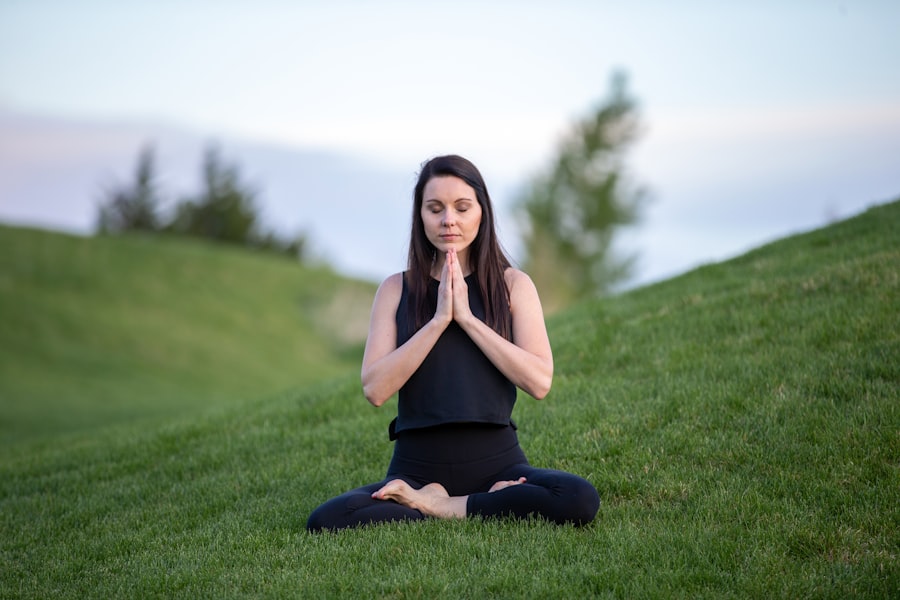
To illustrate the transformative power of meditation on memory, consider the story of Sarah, a college student who struggled with anxiety and poor concentration during her studies. After learning about mindfulness meditation from a friend, she decided to give it a try. Initially skeptical, Sarah committed to practicing just ten minutes each day using a guided app.
Within weeks, she noticed significant improvements in her ability to focus during lectures and retain information while studying. Her grades began to reflect her newfound clarity of mind, and she felt more confident in her academic abilities. Sarah’s experience highlights how even short daily sessions of meditation can lead to substantial improvements in memory and overall cognitive function.
Another compelling case is that of John, a retiree who found himself increasingly forgetful as he aged. Concerned about his declining memory, he sought out a local meditation group focused on mindfulness practices. After several months of consistent practice, John reported not only improved memory recall but also enhanced emotional well-being.
He felt more present in his daily life and was able to engage more fully with his family and friends.
Potential Pitfalls and Challenges of Using Meditation to Boost Memory
While meditation offers numerous benefits for memory enhancement, it’s essential to acknowledge potential pitfalls and challenges that may arise along the way. One common obstacle is unrealistic expectations; many people expect immediate results from their practice. However, like any skill, meditation takes time and patience to develop fully.
It’s crucial to approach your practice with an open mind and allow yourself the grace to grow at your own pace. Another challenge may be finding the time or motivation to meditate consistently amidst busy schedules. Life can often feel overwhelming, making it easy to skip your practice altogether.
To combat this, consider integrating meditation into existing routines—perhaps meditating while waiting for your morning coffee or taking a few mindful breaths during lunch breaks.
If this happens to you, remember that it’s entirely normal; try not to judge yourself harshly during these moments.
Instead, focus on acknowledging these feelings without attachment and gently redirecting your attention back to your breath or chosen point of focus.
Seeking Professional Guidance: When to Consult a Meditation or Memory Expert
If you’re considering incorporating meditation into your life but feel uncertain about how to begin or if you’re facing specific challenges related to memory issues, seeking professional guidance can be incredibly beneficial. A qualified meditation instructor can provide personalized support tailored to your needs and help you navigate any obstacles you may encounter along the way. Additionally, if you’re experiencing significant memory problems that interfere with daily functioning—such as difficulty remembering important appointments or conversations—it may be wise to consult with a healthcare professional specializing in cognitive health.
They can help assess any underlying issues and recommend appropriate interventions or therapies. In conclusion, embracing meditation as part of your daily routine can lead to remarkable improvements in memory and overall cognitive function. By understanding the science behind memory enhancement through meditation and exploring various techniques suited for your lifestyle, you can empower yourself on this journey toward better mental clarity and well-being.
Remember that every small step counts; with patience and persistence, you’ll likely find yourself reaping the rewards of this transformative practice.
Meditation has long been praised for its numerous benefits, including stress reduction and improved focus. Recent studies suggest that regular meditation practice can also enhance memory and cognitive function. By incorporating meditation into your daily routine, you can potentially boost your memory retention and recall abilities. For those looking to further enhance their mental clarity and productivity, consider exploring related lifestyle changes. For instance, a digital detox can be a powerful complement to meditation, helping to clear mental clutter and improve focus. To learn more about how to effectively implement a digital detox, check out this article on how to do a digital detox in 3 easy steps.
FAQs
What is meditation?
Meditation is a practice that involves focusing the mind and eliminating the stream of jumbled thoughts that may be crowding your mind and causing stress. It is a technique that has been practiced for thousands of years to promote relaxation, build internal energy, and develop compassion, love, patience, generosity, and forgiveness.
How does meditation improve memory?
Meditation has been shown to improve memory by reducing stress, increasing focus and attention, and enhancing cognitive function. It can also increase the thickness of the prefrontal cortex, the area of the brain responsible for working memory and executive function.
What are some meditation techniques for memory improvement?
Some meditation techniques that can help improve memory include mindfulness meditation, loving-kindness meditation, and visualization meditation. These techniques can help reduce stress, increase focus, and enhance cognitive function, all of which can contribute to improved memory.
How often should one meditate for memory improvement?
The frequency of meditation for memory improvement can vary from person to person. However, many experts recommend practicing meditation for at least 10-20 minutes a day to see the benefits. Consistency is key, so it’s important to make meditation a regular part of your routine.
Are there any scientific studies supporting the benefits of meditation for memory improvement?
Yes, there have been several scientific studies that have shown the benefits of meditation for memory improvement. These studies have demonstrated that regular meditation practice can lead to improvements in attention, working memory, and cognitive function.