
Boost Your Memory with These Brain Exercises
Have you ever walked into a room and forgotten why you were there? Or perhaps you’ve struggled to recall a name just moments after being introduced? These moments can be frustrating, but they’re also a natural part of life.
As we age, our memory can become less reliable, leading many to wonder if there’s a way to sharpen their cognitive skills. The good news is that just like your body, your brain thrives on exercise. Engaging in memory and brain exercises can help you maintain and even enhance your cognitive abilities, allowing you to navigate life with greater ease and confidence.
Memory isn’t just about recalling facts or names; it’s a complex process that involves various brain functions. From encoding information to retrieving it later, memory relies on the intricate connections between neurons in your brain.
In this article, we’ll explore the importance of brain exercises, practical techniques to enhance your memory, and how lifestyle choices can support your cognitive health.
Key Takeaways
- Memory and brain exercises are important for maintaining cognitive function and overall brain health.
- Exercising your brain can help improve memory, focus, and cognitive abilities.
- Physical exercise plays a role in boosting memory and overall brain function.
- Mindfulness, meditation, and a healthy diet can also contribute to memory enhancement.
- It’s important to incorporate brain exercises into your daily routine to sustain a healthy memory.
The Importance of Exercising Your Brain
Just as physical exercise is essential for maintaining a healthy body, exercising your brain is crucial for preserving and enhancing your mental faculties. Research has shown that engaging in cognitive activities can lead to neuroplasticity—the brain’s ability to reorganize itself by forming new neural connections. This means that by challenging your brain with various tasks, you can actually strengthen its structure and function over time.
In fact, studies have demonstrated that individuals who regularly engage in mentally stimulating activities are less likely to experience cognitive decline as they age. Moreover, exercising your brain can lead to improved focus, better problem-solving skills, and enhanced creativity. When you challenge yourself with new experiences or learning opportunities, you not only keep your mind sharp but also boost your confidence.
Imagine being able to recall names effortlessly or solve puzzles with ease—these are just a few of the benefits that come from committing to regular brain exercises.
Brain Exercises to Improve Memory and Cognitive Function

Now that you understand the importance of exercising your brain, let’s dive into some effective exercises that can help improve your memory and cognitive function. One popular method is engaging in puzzles and games that require critical thinking, such as Sudoku or crossword puzzles. These activities challenge your brain to think creatively and strategically, enhancing both memory retention and problem-solving skills.
You might find that setting aside just 15-20 minutes a day for these activities can yield significant improvements over time. Another effective exercise is learning a new language or musical instrument. Both of these pursuits require intense focus and memorization, which can significantly boost your cognitive abilities.
Studies have shown that bilingual individuals often have better memory skills than their monolingual counterparts. Similarly, learning an instrument not only enhances your auditory skills but also improves your ability to process information quickly. So why not take up that language class you’ve been considering or dust off that old guitar?
Your brain will thank you!
The Role of Physical Exercise in Boosting Memory
| Physical Exercise Type | Frequency | Duration | Memory Boosting Effect |
|---|---|---|---|
| Aerobic Exercise | 3-5 times per week | 30-60 minutes | Improves memory and cognitive function |
| Strength Training | 2-3 times per week | 20-30 minutes | Enhances memory and learning abilities |
| Yoga | 2-3 times per week | 45-60 minutes | Reduces stress and improves memory retention |
While brain exercises are essential for cognitive health, physical exercise plays an equally vital role in boosting memory and overall brain function. When you engage in regular physical activity, your body releases endorphins and other chemicals that promote feelings of well-being and reduce stress. This is important because high levels of stress can negatively impact memory and cognitive function.
By incorporating physical exercise into your routine, you’re not only improving your physical health but also creating an environment conducive to better mental performance. Research has shown that aerobic exercises, such as running or swimming, can lead to increased blood flow to the brain, which helps nourish brain cells and promote the growth of new neurons. A study published in the journal “Neuropsychobiology” found that individuals who engaged in regular aerobic exercise had improved memory performance compared to those who led a sedentary lifestyle.
So whether it’s a brisk walk around the block or a high-intensity workout at the gym, finding ways to get your body moving can have profound effects on your cognitive health.
Incorporating Mindfulness and Meditation for Memory Enhancement
In our fast-paced world, it’s easy to become overwhelmed by distractions and stressors that can hinder our ability to focus and remember information. This is where mindfulness and meditation come into play. Practicing mindfulness involves being fully present in the moment and acknowledging your thoughts without judgment.
This practice has been shown to enhance cognitive function by improving attention span and reducing anxiety—two factors that can significantly impact memory. Meditation, on the other hand, has been linked to structural changes in the brain that promote better memory retention. A study published in “Psychological Science” found that participants who practiced mindfulness meditation showed improved working memory capacity compared to those who did not meditate.
By incorporating just a few minutes of mindfulness or meditation into your daily routine—whether through guided sessions or simple breathing exercises—you can create a mental space that fosters clarity and enhances your ability to remember important information.
The Impact of Diet and Nutrition on Memory
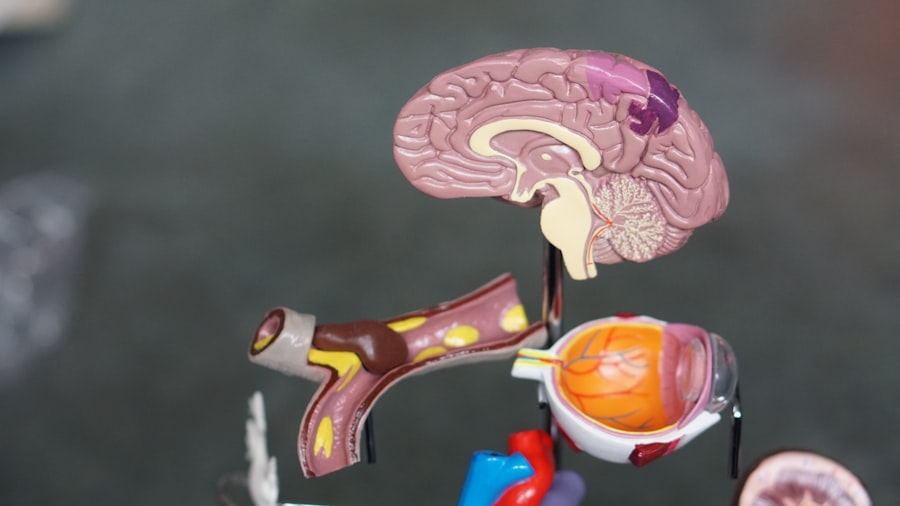
What you eat plays a crucial role in how well your brain functions. A balanced diet rich in nutrients can support cognitive health and improve memory performance. Foods high in antioxidants, healthy fats, vitamins, and minerals are particularly beneficial for brain health.
For instance, omega-3 fatty acids found in fatty fish like salmon have been shown to promote neurogenesis—the growth of new neurons—while antioxidants found in berries help protect the brain from oxidative stress. Incorporating foods like leafy greens, nuts, seeds, and whole grains into your diet can also provide essential nutrients that support cognitive function. Additionally, staying hydrated is vital for maintaining optimal brain performance; even mild dehydration can impair concentration and memory.
By making conscious choices about what you eat and drink, you’re not only nourishing your body but also fueling your mind for success.
Strategies for Incorporating Brain Exercises into Your Daily Routine
Now that you’re aware of various brain exercises and lifestyle factors that contribute to memory enhancement, it’s time to discuss how you can seamlessly incorporate these practices into your daily routine. One effective strategy is to set aside specific times each day dedicated solely to mental exercises—just as you would for physical workouts. Whether it’s solving puzzles during your morning coffee or dedicating time after dinner for reading or learning something new, consistency is key.
Another approach is to integrate brain exercises into activities you already do. For example, while commuting or exercising, listen to podcasts or audiobooks that challenge your thinking or introduce new concepts. You could also engage friends or family members in games that stimulate cognitive function—think trivia nights or board games that require strategic thinking.
By making these activities social and enjoyable, you’ll be more likely to stick with them over time.
Conclusion and Tips for Sustaining a Healthy Memory
In conclusion, maintaining a healthy memory is an achievable goal with the right mindset and practices in place. By understanding the importance of exercising your brain through various activities—be it puzzles, physical exercise, mindfulness practices, or a nutritious diet—you’re taking proactive steps toward enhancing your cognitive health. Remember that consistency is crucial; small daily efforts can lead to significant improvements over time.
As you embark on this journey toward better memory and cognitive function, keep these tips in mind: prioritize mental fitness just as you would physical fitness; stay curious and open to learning; surround yourself with supportive individuals who encourage growth; and most importantly, be patient with yourself as you navigate this process. With dedication and commitment, you’ll find yourself enjoying the benefits of a sharper mind and a more vibrant life!
Engaging in brain exercises is a fantastic way to enhance memory and cognitive function. These exercises can range from puzzles and memory games to learning new skills or languages. For those interested in further developing their mental faculties, exploring ways to tap into your intuition can also be beneficial. Intuition can play a significant role in decision-making and problem-solving, complementing the benefits of memory exercises. For more insights on how to harness your intuition effectively, you might find the article “8 Powerful Ways to Tap Into Your Intuition That Work” particularly enlightening. This resource provides practical strategies to enhance your intuitive abilities, which can work hand-in-hand with memory improvement techniques.
FAQs
What are brain exercises for memory?
Brain exercises for memory are activities or tasks that are designed to stimulate and challenge the brain in order to improve memory function. These exercises can include puzzles, games, and other cognitive activities that require mental effort.
How do brain exercises help improve memory?
Brain exercises help improve memory by stimulating the brain and promoting the growth of new neural connections. These exercises can also help to enhance cognitive function, focus, and attention, all of which are important for memory retention.
What are some examples of brain exercises for memory?
Examples of brain exercises for memory include crossword puzzles, Sudoku, memory games, word games, and brain training apps. Other activities such as learning a new language, playing a musical instrument, or engaging in regular physical exercise can also help improve memory.
Are brain exercises for memory effective?
Research has shown that engaging in regular brain exercises can have a positive impact on memory function. However, it is important to note that individual results may vary and that brain exercises should be part of a comprehensive approach to maintaining brain health.
Are there any risks associated with brain exercises for memory?
Brain exercises for memory are generally safe and do not pose any significant risks. However, it is important to engage in these activities in moderation and to seek guidance from a healthcare professional if you have any concerns about your cognitive health.