

Boosting Immune Health with Essential Vitamins
Your immune system is your body’s first line of defense against illness and infection. It’s a complex network of cells, tissues, and organs that work together to protect you from harmful pathogens. When your immune health is robust, you’re less likely to fall ill, and your body can recover more quickly when you do.
In today’s fast-paced world, where stress, poor diet, and environmental toxins can compromise your immune function, prioritizing your immune health has never been more crucial. Imagine waking up each day feeling energized and ready to tackle whatever life throws your way. A strong immune system not only helps you fend off colds and flu but also plays a vital role in reducing the risk of chronic diseases.
Research shows that a well-functioning immune system can even enhance your mood and overall well-being. By investing time and effort into nurturing your immune health, you’re not just protecting yourself from illness; you’re also empowering yourself to live a vibrant, fulfilling life.
Key Takeaways
- A strong immune system is crucial for overall health and well-being
- Vitamin C is a powerful immune booster and antioxidant
- Vitamin D, also known as the sunshine vitamin, plays a key role in immune function
- Vitamin E is an antioxidant powerhouse that helps protect the immune system
- Vitamin A is essential for maintaining a healthy immune system
- B vitamins play a crucial role in supporting the immune system
- Zinc is critical for immune function and helps fight off infections
- Incorporating essential vitamins into your diet is key for maintaining a strong and healthy immune system
Vitamin C: The Immune Booster
When it comes to immune health, Vitamin C often takes center stage. This powerful antioxidant is renowned for its ability to boost the immune system by stimulating the production of white blood cells, which are essential for fighting off infections. Studies have shown that individuals with adequate Vitamin C levels experience shorter durations of illness and milder symptoms when they do get sick.
It’s no wonder that this vitamin is often touted as a go-to remedy during cold and flu season. Incorporating Vitamin C into your diet is easier than you might think. Citrus fruits like oranges and grapefruits are well-known sources, but don’t overlook other options like strawberries, bell peppers, and broccoli.
These foods not only provide a healthy dose of Vitamin C but also come packed with other nutrients that support overall health. By making a conscious effort to include these vibrant foods in your meals, you can give your immune system the boost it needs to keep you feeling your best.
Vitamin D: The Sunshine Vitamin
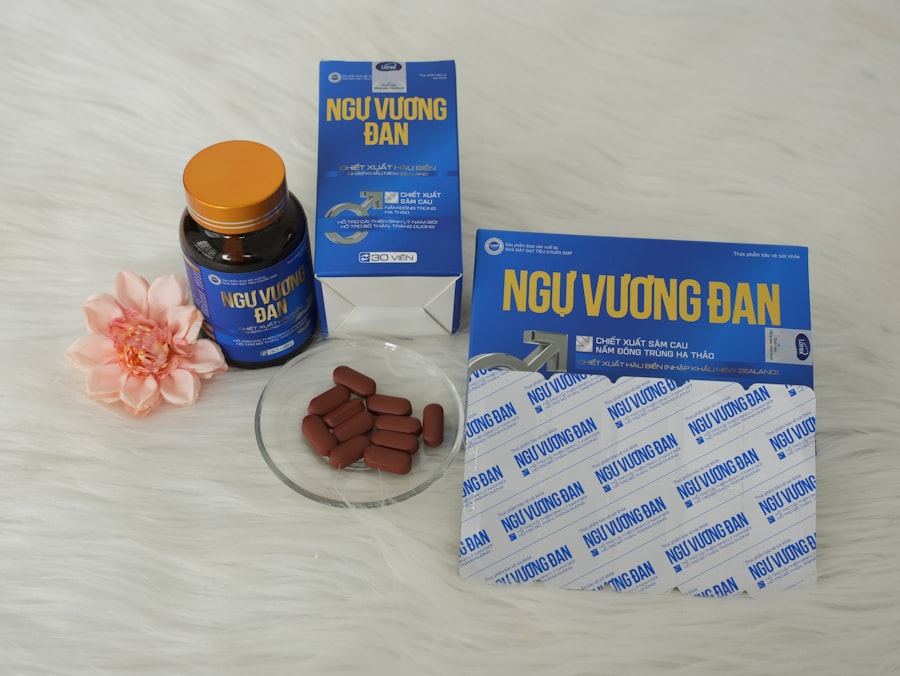
Often referred to as the “sunshine vitamin,” Vitamin D plays a pivotal role in maintaining a healthy immune system. Your body produces Vitamin D when exposed to sunlight, but many people struggle to get enough, especially during the winter months or if they spend most of their time indoors. Research indicates that low levels of Vitamin D are linked to an increased susceptibility to infections, making it essential to ensure you’re getting enough of this vital nutrient.
One of the most effective ways to boost your Vitamin D levels is through safe sun exposure. Aim for about 15-30 minutes of sunlight several times a week, depending on your skin type and location. However, if sun exposure isn’t feasible for you, consider incorporating Vitamin D-rich foods into your diet, such as fatty fish like salmon and mackerel, fortified dairy products, and egg yolks.
Additionally, supplements can be a reliable option for those who need an extra boost. By prioritizing your Vitamin D intake, you’re taking a significant step toward fortifying your immune defenses.
Vitamin E: Antioxidant Powerhouse
| Food Source | Vitamin E Content (mg) |
|---|---|
| Almonds | 7.27 |
| Sunflower seeds | 7.38 |
| Spinach | 3.74 |
| Avocado | 2.68 |
Vitamin E is another essential nutrient that plays a crucial role in supporting immune function. As a potent antioxidant, it helps combat oxidative stress in the body, which can weaken the immune response. Studies have shown that adequate Vitamin E levels can enhance the activity of immune cells, making them more effective at fighting off infections.
This makes it particularly important for older adults, whose immune systems may not function as optimally as they once did. You can find Vitamin E in a variety of delicious foods.
Incorporating these foods into your daily meals not only boosts your Vitamin E intake but also adds flavor and texture to your diet. By embracing the antioxidant power of Vitamin E, you’re equipping your body with the tools it needs to fend off illness and maintain overall health.
Vitamin A: Essential for Immune Function
Vitamin A is often overlooked in discussions about immune health, but it’s an essential nutrient that plays a vital role in maintaining the integrity of your skin and mucosal cells—your body’s first line of defense against pathogens. This fat-soluble vitamin is crucial for the development and differentiation of immune cells, particularly T-cells, which are key players in the immune response. Without sufficient Vitamin A, your body may struggle to mount an effective defense against infections.
You can find Vitamin A in two primary forms: preformed Vitamin A (found in animal products like liver and dairy) and provitamin A carotenoids (found in colorful fruits and vegetables like carrots, sweet potatoes, and spinach). By incorporating a variety of these foods into your diet, you can ensure that you’re getting enough Vitamin A to support your immune function. Embracing this nutrient not only helps protect you from illness but also contributes to healthy skin and vision.
B Vitamins: Supporting Immune System

B vitamins are a group of nutrients that play a multifaceted role in supporting immune health. They help convert food into energy, produce red blood cells, and maintain proper brain function—all of which are essential for a well-functioning immune system. Specifically, vitamins B6, B9 (folate), and B12 have been shown to enhance immune responses by promoting the production of antibodies and supporting the proliferation of immune cells.
To ensure you’re getting enough B vitamins in your diet, focus on incorporating whole grains, legumes, eggs, dairy products, and leafy greens into your meals. These foods are not only rich in B vitamins but also provide other essential nutrients that contribute to overall health. By prioritizing B vitamins in your diet, you’re giving your immune system the support it needs to function optimally.
Zinc: Critical for Immune Function
Zinc is a trace mineral that plays a critical role in maintaining a healthy immune system. It’s involved in numerous aspects of immune function, including the development and activation of T-cells and the production of antibodies. Research has shown that zinc deficiency can lead to impaired immune responses and increased susceptibility to infections.
Therefore, ensuring adequate zinc intake is essential for anyone looking to bolster their immune health. You can find zinc in a variety of foods, including meat, shellfish, legumes, seeds, nuts, dairy products, and whole grains. If you’re following a plant-based diet or have dietary restrictions that limit zinc-rich foods, consider incorporating fortified cereals or supplements into your routine.
By making zinc a priority in your diet, you’re taking proactive steps toward enhancing your immune function and overall well-being.
Incorporating Essential Vitamins into Your Diet
Now that you understand the importance of various vitamins for immune health, you might be wondering how to effectively incorporate them into your daily routine. The key is to focus on variety and balance in your diet. Aim for colorful plates filled with fruits and vegetables—each hue represents different nutrients that work synergistically to support your health.
Meal prepping can be an effective strategy for ensuring you have access to nutrient-dense foods throughout the week. Consider preparing large batches of soups or stews loaded with vegetables rich in vitamins A and C or creating snack packs with nuts and seeds for an easy source of Vitamin E and zinc on the go. Smoothies are another fantastic way to pack in multiple vitamins; blend spinach (for Vitamin A), berries (for Vitamin C), and yogurt (for B vitamins) for a deliciously nutritious treat.
Remember that small changes can lead to significant improvements over time. By consciously choosing foods rich in these essential vitamins and making them a regular part of your meals, you’re not just supporting your immune health; you’re investing in a lifestyle that promotes vitality and resilience against illness. Embrace this journey toward better health with optimism—your body will thank you!
When it comes to bolstering your immune system, vitamins play a crucial role in maintaining overall health and resilience against illnesses. While exploring ways to enhance your immune function, it’s also beneficial to consider strategies for improving self-discipline, as it can significantly impact your ability to maintain a consistent health regimen. For more insights on developing self-discipline, you might find the article titled “Self-Discipline: Ultimate Guide for 2022” particularly useful. You can read it by following this com/self-discipline-ultimate-guide-for-2022/’>link.
This guide provides practical tips and strategies that can help you stay committed to a healthy lifestyle, including regular intake of essential vitamins.
FAQs
What are vitamins for the immune system?
Vitamins for the immune system are essential nutrients that help support and strengthen the body’s immune response. They play a crucial role in maintaining a healthy immune system and protecting the body from infections and illnesses.
Which vitamins are important for the immune system?
Some of the key vitamins for the immune system include vitamin C, vitamin D, vitamin E, vitamin A, and vitamin B6. These vitamins help support various immune functions and contribute to overall immune health.
How do vitamins support the immune system?
Vitamins support the immune system by enhancing the production and function of immune cells, promoting the body’s natural defense mechanisms, and reducing the risk of infections. They also have antioxidant properties that help protect the body from harmful free radicals.
What are some food sources of immune-boosting vitamins?
Foods rich in vitamin C include citrus fruits, strawberries, and bell peppers. Vitamin D can be obtained from fatty fish, fortified dairy products, and sunlight exposure. Vitamin E is found in nuts, seeds, and vegetable oils, while vitamin A is abundant in sweet potatoes, carrots, and leafy greens. Vitamin B6 can be found in poultry, fish, and bananas.
Can vitamin supplements help boost the immune system?
In some cases, vitamin supplements can help fill nutrient gaps and support immune function, especially for individuals with deficiencies or specific health conditions. However, it’s important to consult a healthcare professional before starting any new supplements to ensure they are safe and appropriate for individual needs.
Are there any risks associated with taking immune-boosting vitamins?
While vitamins are generally safe when consumed in recommended amounts, excessive intake of certain vitamins can lead to adverse effects. It’s important to follow the recommended dietary guidelines and not exceed the tolerable upper intake levels for vitamins, especially when taking supplements.