
Optimizing Gut Health for a Stronger Immune System
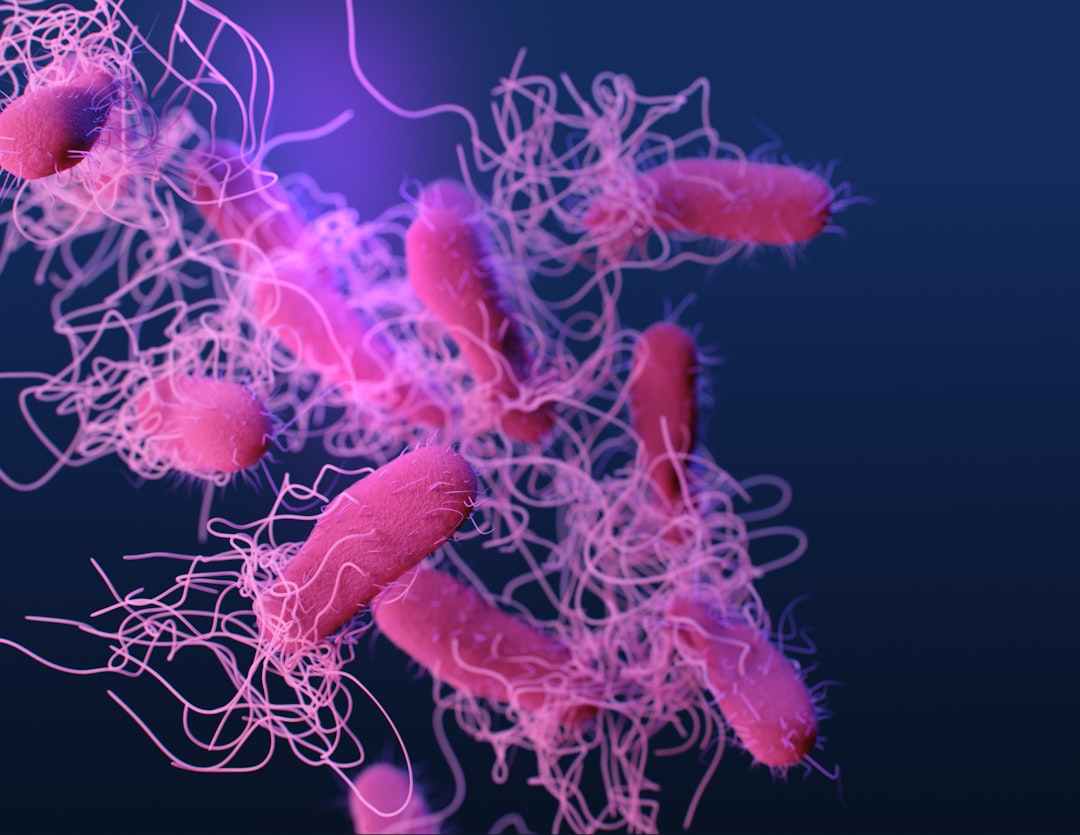
Have you ever considered that your gut might be the unsung hero of your immune system? It’s true! The gut is home to trillions of microorganisms, collectively known as the gut microbiome, which play a crucial role in your overall health.
This intricate ecosystem not only aids in digestion but also communicates with your immune system, influencing how your body responds to pathogens and inflammation. When your gut is healthy, it can effectively support your immune defenses, helping you fend off illnesses and maintain optimal health. Research has shown that a well-balanced gut microbiome can enhance the production of immune cells and antibodies, which are essential for fighting off infections.
Conversely, an imbalance in gut bacteria—often referred to as dysbiosis—can lead to a weakened immune response. This connection between gut health and immunity is so significant that scientists are exploring how gut microbiota can be manipulated to improve immune function. By nurturing your gut, you’re not just supporting digestion; you’re also fortifying your body’s defenses against disease.
Key Takeaways
- The gut and immune system are closely connected, with the gut playing a crucial role in immune function.
- Probiotics and prebiotics can help maintain a healthy gut by promoting the growth of beneficial bacteria.
- A balanced diet rich in fiber, fruits, vegetables, and whole grains is essential for gut health.
- Managing stress is important for a healthy gut, as stress can negatively impact gut function.
- Incorporating fermented foods like yogurt, kimchi, and kefir can support gut health by providing beneficial bacteria.
The Role of Probiotics and Prebiotics in Gut Health
When it comes to nurturing your gut, probiotics and prebiotics are two powerful allies you should know about. Probiotics are live beneficial bacteria that can help restore balance to your gut microbiome. They can be found in various fermented foods like yogurt, kefir, and sauerkraut, or taken as supplements.
Incorporating these into your diet can help combat dysbiosis and enhance your immune response. Imagine feeling more energized and resilient simply by adding a few servings of these foods to your daily routine! On the other hand, prebiotics are non-digestible fibers that serve as food for these beneficial bacteria.
Found in foods like garlic, onions, bananas, and asparagus, prebiotics help nourish the good bacteria in your gut, allowing them to thrive and multiply. By consuming a combination of both probiotics and prebiotics, you create a symbiotic relationship that promotes a flourishing gut environment. This not only supports digestion but also enhances your immune system, making it a win-win for your overall health.
Importance of a Balanced Diet for Gut Health

You might be surprised to learn just how much your diet influences your gut health. A balanced diet rich in whole foods—fruits, vegetables, whole grains, lean proteins, and healthy fats—provides the essential nutrients your body needs to maintain a thriving microbiome. Each food group contributes unique benefits; for instance, fiber from fruits and vegetables helps promote regular bowel movements and feeds beneficial gut bacteria, while healthy fats support the integrity of the gut lining.
Conversely, a diet high in processed foods, sugars, and unhealthy fats can lead to inflammation and disrupt the delicate balance of your gut microbiome. This imbalance can result in digestive issues, increased susceptibility to infections, and even chronic diseases. By prioritizing whole foods and minimizing processed options, you empower yourself to cultivate a healthier gut environment.
Remember, every meal is an opportunity to nourish your body—choose wisely!
Managing Stress for a Healthy Gut
| Technique | Effectiveness | Notes |
|---|---|---|
| Deep Breathing | High | Helps to relax the body and reduce stress |
| Yoga | Medium | Combines physical activity with mindfulness |
| Meditation | High | Calms the mind and reduces anxiety |
| Exercise | High | Boosts mood and reduces stress hormones |
Stress is an inevitable part of life, but its impact on your gut health might surprise you. When you experience stress, your body goes into fight-or-flight mode, releasing hormones like cortisol that can disrupt digestion and alter the composition of your gut microbiome. This can lead to symptoms such as bloating, gas, and even changes in appetite.
Over time, chronic stress can contribute to more serious digestive disorders and weaken your immune system. To combat this, it’s essential to incorporate stress management techniques into your daily routine. Mindfulness practices such as meditation, yoga, or deep-breathing exercises can help calm your mind and reduce stress levels.
Additionally, engaging in regular physical activity not only boosts your mood but also promotes healthy digestion. By taking proactive steps to manage stress, you’re not just protecting your mental well-being; you’re also safeguarding your gut health.
Incorporating Fermented Foods for Gut Health
Fermented foods are like nature’s little powerhouses for gut health! These foods undergo a natural fermentation process that encourages the growth of beneficial bacteria. Think of items like kimchi, kombucha, miso, and tempeh—each bite is packed with probiotics that can help restore balance to your gut microbiome.
By incorporating these foods into your diet regularly, you’re giving your gut the support it needs to thrive. Not only do fermented foods provide probiotics, but they also offer additional health benefits. For instance, they can enhance nutrient absorption and improve digestion by breaking down complex compounds in food.
Plus, many fermented foods are rich in vitamins and minerals that contribute to overall health. So why not experiment with different fermented options? You might discover new flavors while simultaneously boosting your gut health!
The Impact of Exercise on Gut Health and Immunity

You may already know that exercise is essential for maintaining physical fitness, but did you know it also plays a significant role in supporting gut health? Regular physical activity has been shown to promote the growth of beneficial gut bacteria while reducing harmful bacteria. This positive shift in your microbiome can enhance digestion and bolster your immune system—making exercise a vital component of a healthy lifestyle.
Moreover, exercise helps reduce stress levels and improve mood through the release of endorphins. This is particularly important because stress can negatively impact gut health. Whether it’s a brisk walk, a yoga session, or an intense workout at the gym, finding an activity you enjoy will make it easier to stay consistent.
Aim for at least 150 minutes of moderate exercise each week to reap the benefits for both your gut and overall well-being.
Avoiding Gut Irritants and Inflammatory Foods
While it’s important to focus on what you should include in your diet for optimal gut health, it’s equally crucial to be aware of what to avoid. Certain foods can act as irritants or trigger inflammation in the gut, leading to discomfort and digestive issues.
These items can disrupt the balance of your gut microbiome and contribute to inflammation. Additionally, some individuals may have specific food sensitivities or intolerances that can exacerbate gut issues. For example, gluten or dairy may cause digestive distress for some people.
It’s essential to listen to your body and identify any foods that may not agree with you. By eliminating these irritants from your diet and focusing on nourishing whole foods instead, you’ll create a more supportive environment for your gut health.
Seeking Professional Guidance for Gut Health Optimization
As you embark on your journey toward better gut health, remember that seeking professional guidance can be incredibly beneficial. A registered dietitian or nutritionist can help you create a personalized plan tailored to your unique needs and goals. They can provide insights into which foods will best support your gut microbiome while addressing any specific concerns you may have.
Additionally, if you’re experiencing persistent digestive issues or suspect an underlying condition, consulting with a healthcare professional is crucial. They can conduct tests or assessments to identify any imbalances or sensitivities that may be affecting your gut health. With their expertise and support, you’ll be empowered to make informed choices that promote optimal wellness.
In conclusion, nurturing your gut health is a multifaceted journey that involves understanding its connection to immunity, incorporating probiotics and prebiotics into your diet, managing stress levels, embracing fermented foods, exercising regularly, avoiding irritants, and seeking professional guidance when needed.
So go ahead—take charge of your gut health today!
Gut health plays a crucial role in maintaining a robust immune system, as a significant portion of the immune system is located in the gut. A healthy gut can help fend off infections and reduce inflammation, contributing to overall well-being. For those interested in exploring ways to support their gut health and, consequently, their immune system, managing stress is an essential factor. Chronic stress can negatively impact gut health, leading to a weakened immune response. To learn more about effective stress management techniques that can help relieve stress quickly and support gut health, you can read this related article: 5 Stress Management Techniques to Relieve Stress Fast.
FAQs
What is the connection between gut health and the immune system?
The gut is home to a large portion of the body’s immune system. A healthy gut microbiome helps to regulate the immune system and protect against harmful pathogens.
How does gut health impact the immune system?
A balanced and diverse gut microbiome supports the immune system by promoting the production of immune cells, regulating inflammation, and preventing the growth of harmful bacteria.
What are some signs of poor gut health affecting the immune system?
Signs of poor gut health impacting the immune system may include frequent infections, digestive issues, food intolerances, and autoimmune conditions.
What can be done to improve gut health and support the immune system?
Consuming a diet rich in fiber, fermented foods, and prebiotics, as well as managing stress and getting regular exercise, can help improve gut health and support the immune system.
Can gut health impact allergies and autoimmune diseases?
Research suggests that an imbalance in gut bacteria may contribute to the development of allergies and autoimmune diseases by affecting immune system regulation. Improving gut health may help manage these conditions.