

7 Sleep Meditation Techniques for a Restful Night
In our fast-paced world, sleep often takes a backseat to our busy lives. You might find yourself tossing and turning at night, your mind racing with thoughts about the day’s events or tomorrow’s to-do list. This is where sleep meditation comes into play, offering a gentle yet powerful way to calm your mind and prepare your body for restorative rest.
Imagine drifting off to sleep with ease, your worries melting away as you embrace a state of tranquility. Sleep meditation can help you achieve just that, transforming your nightly routine into a sacred ritual that promotes relaxation and rejuvenation. Sleep meditation is not merely a trend; it’s a practice rooted in ancient traditions that have been embraced for centuries.
By incorporating mindfulness and relaxation techniques, you can create a peaceful environment conducive to sleep. Whether you’re struggling with insomnia or simply seeking a more restful night, sleep meditation can be your guiding light. In this article, we’ll explore various techniques that can help you harness the power of meditation to enhance your sleep quality and overall well-being.
Key Takeaways
- Sleep meditation can help improve the quality of sleep and promote relaxation before bedtime.
- Deep breathing technique can help calm the mind and prepare the body for sleep.
- Body scan meditation involves focusing on different parts of the body to release tension and promote relaxation.
- Progressive muscle relaxation helps to release physical tension and promote a state of deep relaxation.
- Visualization meditation involves creating a peaceful mental image to promote relaxation and prepare for sleep.
Deep Breathing Technique
One of the simplest yet most effective methods of sleep meditation is the deep breathing technique. You may be surprised at how something as basic as your breath can have such a profound impact on your state of mind. When you focus on deep, intentional breaths, you activate your body’s relaxation response, signaling to your nervous system that it’s time to unwind.
Picture yourself lying in bed, eyes closed, as you take a slow, deep breath in through your nose, allowing your abdomen to rise fully. Then, gently exhale through your mouth, releasing any tension you may be holding onto. As you continue this practice, you might notice how each breath brings you closer to a state of calm.
With every inhale, visualize drawing in peace and serenity; with every exhale, imagine letting go of stress and anxiety. This rhythmic pattern not only helps quiet your mind but also lowers your heart rate and blood pressure, creating an ideal environment for sleep. You can even count your breaths—inhale for a count of four, hold for four, and exhale for six—to deepen your focus and enhance relaxation.
Body Scan Meditation
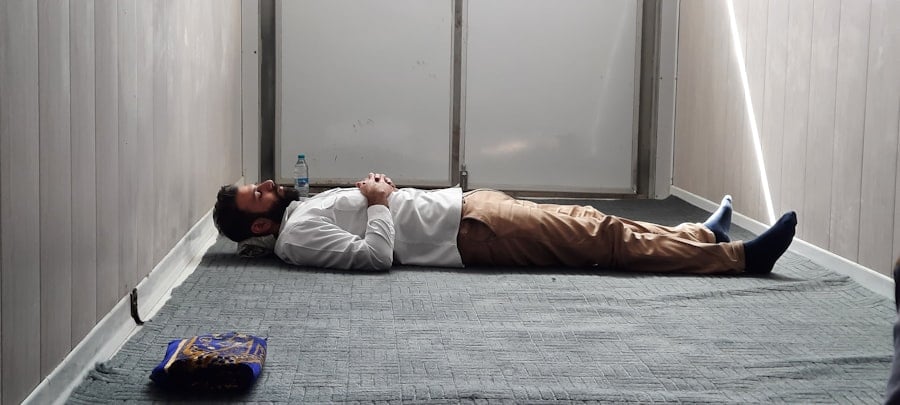
Another powerful technique to incorporate into your sleep meditation routine is the body scan meditation. This practice encourages you to bring awareness to different parts of your body, promoting relaxation and helping you release any lingering tension. As you lie comfortably in bed, start by focusing on your toes.
Notice any sensations or feelings in that area—are they warm or cool? Tense or relaxed? Allow yourself to simply observe without judgment.
Gradually work your way up through your body, paying attention to each area as you go. Move from your feet to your ankles, calves, knees, and so on, all the way up to the crown of your head. As you mentally scan each part of your body, consciously relax any areas that feel tight or uncomfortable.
This practice not only helps you connect with your physical self but also encourages mindfulness, allowing you to let go of the day’s stresses and prepare for a peaceful night’s sleep.
Progressive Muscle Relaxation
| Progressive Muscle Relaxation Metrics | Results |
|---|---|
| Stress Reduction | Significant decrease |
| Anxiety Levels | Reduced |
| Sleep Quality | Improved |
| Muscle Tension | Decreased |
If you find it challenging to quiet your mind before bed, progressive muscle relaxation (PMR) might be the perfect technique for you. This method involves systematically tensing and then relaxing different muscle groups throughout your body. Start by lying down comfortably and taking a few deep breaths to center yourself.
Begin with your feet—tense the muscles for a few seconds, then release and notice the difference in sensation. Move up through your calves, thighs, abdomen, and so on until you reach the top of your head. As you progress through each muscle group, focus on the contrast between tension and relaxation.
This practice not only helps release physical tension but also encourages mental clarity. By the time you finish the exercise, you may find that both your body and mind feel lighter and more at ease. PMR is particularly beneficial for those who carry stress in their muscles, as it allows you to consciously let go of that tension and prepare for restful sleep.
Visualization Meditation
Visualization meditation is another effective technique that can help guide you into a peaceful slumber. This practice involves creating vivid mental images that evoke feelings of calm and serenity.
Then, imagine a tranquil scene—perhaps a serene beach with gentle waves lapping at the shore or a lush forest filled with the sounds of chirping birds. Allow yourself to immerse in this visualization fully; engage all of your senses. What do you see?
What do you hear? What scents fill the air? By creating this mental sanctuary, you can transport yourself away from the stresses of daily life and into a state of relaxation.
Visualization not only helps distract your mind from racing thoughts but also fosters a sense of peace that can lead to deeper sleep.
Loving-Kindness Meditation

Loving-kindness meditation is a beautiful practice that cultivates compassion and positive emotions towards yourself and others. This technique can be particularly beneficial before bedtime as it helps release negative thoughts and promotes feelings of love and acceptance. Begin by finding a comfortable position in bed and taking a few deep breaths to ground yourself.
Then, silently repeat phrases such as “May I be happy,” “May I be healthy,” or “May I be at peace.” As you focus on these affirmations, allow feelings of warmth and kindness to fill your heart. Once you’ve centered yourself in self-love, extend those wishes to others—friends, family members, or even those with whom you may have had conflicts. This practice not only fosters emotional well-being but also creates a sense of connection that can ease anxiety and promote restful sleep.
Mantra Meditation
Mantra meditation is another powerful tool in your sleep meditation arsenal. By repeating a calming word or phrase—known as a mantra—you can help quiet the mind and create a sense of focus that leads to relaxation. Choose a word or phrase that resonates with you; it could be something simple like “peace” or “calm.” As you lie in bed, take a few deep breaths and begin repeating your mantra silently or aloud.
With each repetition, allow yourself to sink deeper into relaxation. If thoughts arise—whether they’re worries about tomorrow or reminders of tasks left undone—gently acknowledge them and return your focus to your mantra. This practice not only helps clear mental clutter but also creates a soothing rhythm that can lull you into sleep.
Conclusion and Additional Tips
Incorporating sleep meditation into your nightly routine can transform the way you experience rest. By exploring various techniques such as deep breathing, body scans, progressive muscle relaxation, visualization, loving-kindness meditation, and mantra meditation, you can find what resonates best with you. Remember that consistency is key; the more regularly you practice these techniques, the more effective they will become in promoting restful sleep.
As you embark on this journey towards better sleep through meditation, consider creating an inviting bedtime environment free from distractions—dim the lights, turn off electronic devices, and perhaps even light a calming candle or use essential oils like lavender to enhance relaxation. With patience and practice, you’ll soon discover that sleep meditation is not just a tool for falling asleep; it’s an empowering ritual that nurtures both your mind and body for overall well-being. So go ahead—embrace these techniques tonight and unlock the restful sleep you’ve been longing for!
Sleep meditation techniques can be a powerful tool for improving your overall well-being and mental clarity.
A bullet journal not only helps in keeping track of tasks and goals but also serves as a creative outlet that can complement your meditation practices. For more information on how to effectively start and maintain a bullet journal, you can check out The Ultimate Guide to the Bullet Journal. This guide provides comprehensive insights into setting up a bullet journal that can work in harmony with your meditation techniques, ultimately leading to a more balanced and mindful lifestyle.
FAQs
What is sleep meditation?
Sleep meditation is a practice that involves using meditation techniques to help calm the mind and body in order to promote better sleep. It can involve various relaxation and mindfulness techniques to help prepare the body for sleep.
How does sleep meditation work?
Sleep meditation works by helping to calm the mind and body, reduce stress and anxiety, and promote relaxation. By practicing sleep meditation techniques, individuals can create a more peaceful and conducive environment for falling asleep and staying asleep.
What are some common sleep meditation techniques?
Common sleep meditation techniques include deep breathing exercises, progressive muscle relaxation, visualization, and mindfulness meditation. These techniques can help to quiet the mind and relax the body, making it easier to fall asleep.
What are the benefits of sleep meditation?
The benefits of sleep meditation include improved sleep quality, reduced stress and anxiety, enhanced relaxation, and a greater sense of overall well-being. Sleep meditation can also help to improve focus and concentration during the day.
How can I start practicing sleep meditation?
To start practicing sleep meditation, you can begin by finding a quiet and comfortable space to sit or lie down. You can then try different techniques such as deep breathing, progressive muscle relaxation, or guided meditation to help calm the mind and body before bed. It’s important to be consistent with your practice and to be patient with yourself as you develop your meditation skills.