
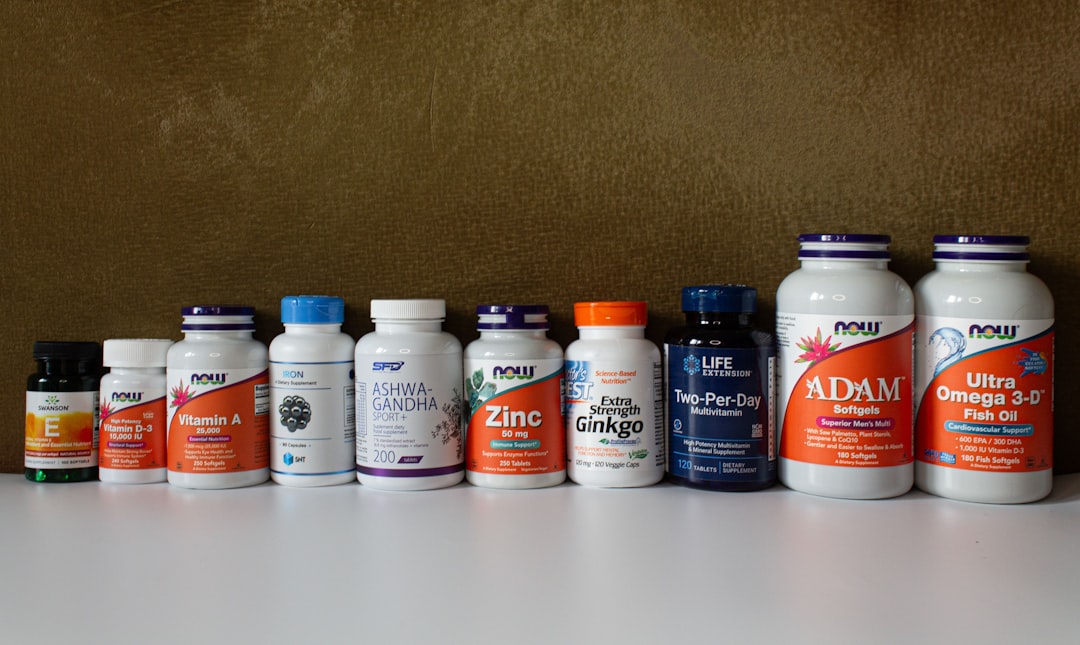
Natural Sleep Aids: Herbal Supplements for Better Rest
In our fast-paced world, sleep often takes a backseat to our busy lives. You might find yourself tossing and turning at night, staring at the ceiling, or waking up feeling more exhausted than when you went to bed.
They offer a gentle, holistic approach to improving your sleep quality without the harsh side effects often associated with pharmaceutical options. Understanding the importance of these natural remedies can empower you to take control of your sleep health. Natural sleep aids can help you achieve a more restful night, allowing your body to recover and rejuvenate.
Sleep is not just a luxury; it’s a necessity for your overall well-being. Quality sleep supports cognitive function, emotional balance, and physical health. By exploring natural sleep aids, you’re not only investing in better sleep but also in a healthier lifestyle.
Imagine waking up refreshed and ready to tackle the day, all thanks to the power of nature.
Key Takeaways
- Natural sleep aids are important for promoting better rest and overall health
- Common herbal supplements like valerian root and chamomile can help improve sleep quality
- Herbal supplements work by calming the mind and body, promoting relaxation and reducing anxiety
- It’s important to use herbal supplements safely and effectively, following recommended dosages and guidelines
- Potential side effects and interactions of herbal sleep aids should be considered before use, and consulting with a healthcare professional is recommended
Common Herbal Supplements for Better Sleep
When it comes to herbal supplements for sleep, several options have stood the test of time. One of the most popular is chamomile, often enjoyed as a soothing tea before bedtime. Chamomile contains antioxidants that may promote relaxation and reduce insomnia symptoms.
You might find that sipping on a warm cup of chamomile tea helps signal to your body that it’s time to wind down. Another well-known herbal remedy is valerian root. This potent herb has been used for centuries to combat anxiety and improve sleep quality.
Valerian root works by increasing levels of gamma-aminobutyric acid (GABA) in the brain, which can help calm your mind and prepare you for sleep. If you’re looking for a natural way to ease into slumber, valerian root might be worth considering. Other notable herbal supplements include passionflower, which is known for its calming effects, and lavender, often used in aromatherapy to promote relaxation.
Each of these herbs offers unique benefits that can contribute to a more restful night’s sleep. By incorporating these natural remedies into your routine, you may find it easier to drift off and stay asleep throughout the night.
How Herbal Supplements Work to Promote Better Rest

Understanding how herbal supplements work can help you appreciate their role in enhancing your sleep quality. Many of these herbs contain compounds that interact with neurotransmitters in your brain, promoting relaxation and reducing anxiety. For instance, valerian root increases GABA levels, which can help calm an overactive mind.
This is particularly beneficial if you often find yourself lying awake, racing thoughts preventing you from falling asleep. Chamomile, on the other hand, contains apigenin, an antioxidant that binds to specific receptors in your brain, promoting drowsiness and reducing insomnia. This natural sedative effect can help ease you into a peaceful slumber.
By understanding these mechanisms, you can make informed choices about which herbal supplements might work best for your individual needs. Moreover, the beauty of herbal supplements lies in their ability to work synergistically with your body’s natural rhythms. Unlike synthetic sleep aids that may leave you feeling groggy or disoriented upon waking, many herbal options promote a more gentle transition into sleep and wakefulness.
This means you can enjoy the benefits of restorative sleep without the unwanted side effects.
Tips for Using Herbal Supplements Safely and Effectively
| Herbal Supplement | Usage | Potential Benefits | Potential Risks |
|---|---|---|---|
| Echinacea | Boost immune system | Reduce cold symptoms | Allergic reactions |
| Ginkgo Biloba | Improve memory and cognitive function | Antioxidant properties | Blood thinning |
| Garlic | Lower cholesterol | Antibacterial properties | Stomach upset |
| St. John’s Wort | Treat depression | Mood improvement | Interactions with medications |
While herbal supplements can be incredibly beneficial for improving sleep quality, it’s essential to use them safely and effectively. Start by doing your research on each herb you’re considering. Understanding the recommended dosages and potential interactions with other medications is crucial for ensuring a positive experience.
For instance, while valerian root is generally safe for short-term use, it’s wise to consult with a healthcare professional if you’re taking other medications or have underlying health conditions. Another tip is to establish a consistent routine when using herbal supplements. Taking them at the same time each night can help signal to your body that it’s time to wind down.
You might also consider pairing your herbal supplement with other calming practices, such as meditation or gentle stretching, to enhance its effects. Creating a bedtime ritual can make a significant difference in how quickly you fall asleep and how restful your slumber is. Lastly, pay attention to how your body responds to different herbs.
Everyone’s body chemistry is unique, so what works wonders for one person may not have the same effect on another. Keep a sleep journal to track your experiences with various supplements and any changes in your sleep patterns. This will help you identify what works best for you and refine your approach over time.
Potential Side Effects and Interactions of Herbal Sleep Aids
While herbal supplements are often viewed as safe alternatives to pharmaceutical sleep aids, they are not without potential side effects and interactions. It’s essential to be aware of these risks before incorporating them into your routine. For example, valerian root may cause dizziness or gastrointestinal upset in some individuals.
Chamomile could trigger allergic reactions in those sensitive to plants in the daisy family. Additionally, herbal supplements can interact with prescription medications or other over-the-counter drugs. For instance, if you’re taking blood thinners or sedatives, combining them with certain herbs could amplify their effects or lead to adverse reactions.
Always consult with a healthcare professional before starting any new supplement regimen, especially if you’re already on medication. Being informed about potential side effects allows you to make educated decisions about your health. If you experience any unusual symptoms after taking an herbal supplement, it’s crucial to discontinue use and seek medical advice.
Your well-being should always come first, and understanding the risks associated with herbal remedies can help you navigate your options safely.
Incorporating Herbal Supplements into a Healthy Sleep Routine
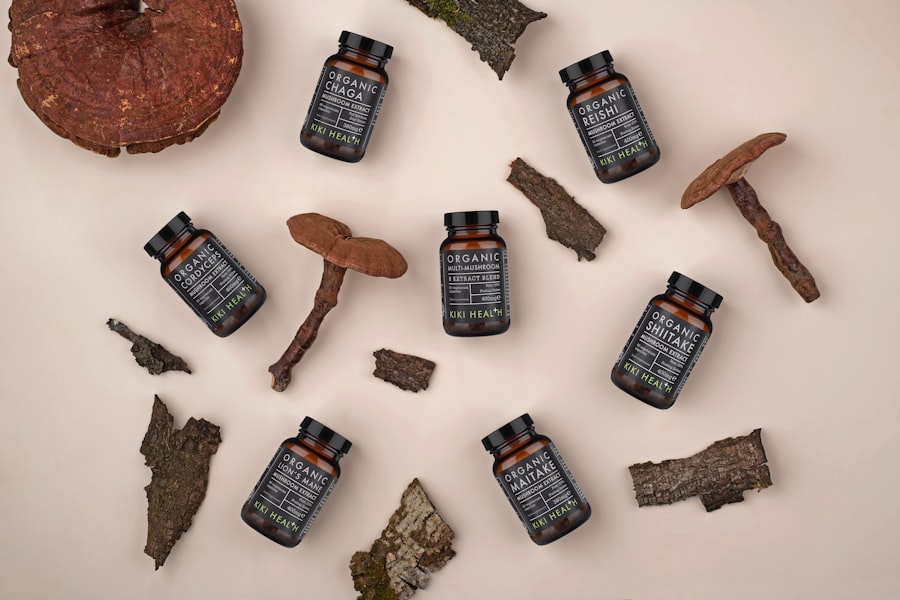
Integrating herbal supplements into a healthy sleep routine can be a game-changer for your overall well-being. Start by creating an environment conducive to relaxation—dim the lights, eliminate distractions, and establish a calming atmosphere in your bedroom. This sets the stage for a peaceful night’s rest and enhances the effectiveness of any herbal supplements you choose to take.
Consider pairing your chosen herbal supplement with other sleep-promoting practices. For example, practicing mindfulness meditation or deep breathing exercises before bed can help calm your mind and prepare your body for rest. You might also explore gentle yoga or stretching routines that promote relaxation and ease tension from the day.
Consistency is key when it comes to establishing a healthy sleep routine. Aim to go to bed and wake up at the same time each day, even on weekends. This helps regulate your body’s internal clock and reinforces healthy sleep patterns over time.
By combining herbal supplements with these practices, you’ll create a holistic approach that supports better sleep quality and overall health.
Consulting with a Healthcare Professional Before Using Herbal Supplements
Before diving into the world of herbal supplements for sleep, it’s wise to consult with a healthcare professional. They can provide personalized guidance based on your unique health history and current medications. This step is especially important if you have underlying health conditions or are pregnant or breastfeeding.
A healthcare professional can help you navigate potential interactions between herbal supplements and any medications you may be taking. They can also recommend appropriate dosages and suggest specific herbs that align with your individual needs. By seeking expert advice, you’ll feel more confident in your choices and ensure that you’re prioritizing your health.
Remember that while herbal supplements can be beneficial, they are not a one-size-fits-all solution. Your healthcare provider can help you explore various options and develop a comprehensive plan that addresses your specific sleep challenges while considering your overall health.
Other Natural Methods for Improving Sleep Quality
In addition to herbal supplements, there are numerous other natural methods for enhancing sleep quality that you might find beneficial. One effective approach is establishing a consistent bedtime routine that signals to your body it’s time to wind down. This could include activities like reading a book, taking a warm bath, or practicing relaxation techniques such as progressive muscle relaxation.
Creating an optimal sleep environment is also crucial for promoting restful slumber. Ensure your bedroom is dark, quiet, and cool—ideal conditions for sleep. Consider investing in blackout curtains or white noise machines if external light or noise disrupts your rest.
Lastly, don’t underestimate the power of lifestyle choices on your sleep quality. Regular physical activity during the day can help regulate your sleep-wake cycle and improve overall well-being. However, try to avoid vigorous exercise close to bedtime as it may have the opposite effect.
By combining herbal supplements with these natural methods, you’ll be well on your way to achieving the restful nights you deserve. Embrace this journey toward better sleep as an opportunity to nurture both your body and mind—after all, quality rest is one of the most powerful tools for enhancing your overall health and happiness.
If you’re exploring ways to enhance your sleep quality through herbal supplements, you might also be interested in learning about how a digital detox can contribute to better rest. Constant exposure to screens and digital devices can disrupt your sleep patterns, making it harder to unwind and fall asleep. By incorporating a digital detox into your routine, you can create a more conducive environment for restful sleep. For more information on how to effectively disconnect and improve your sleep hygiene, check out this related article: How to Do a Digital Detox: 3 Easy Steps for Success.
FAQs
What are herbal supplements for better sleep?
Herbal supplements for better sleep are natural products made from plant extracts, herbs, and other botanical ingredients that are believed to promote relaxation and improve sleep quality.
What are some common herbal supplements for better sleep?
Some common herbal supplements for better sleep include valerian root, chamomile, lavender, passionflower, and melatonin. These supplements are available in various forms such as capsules, teas, and tinctures.
Are herbal supplements for better sleep safe to use?
While herbal supplements are generally considered safe for most people, it’s important to consult with a healthcare professional before using them, especially if you have any underlying health conditions or are taking medications. Some herbal supplements may interact with certain medications or have potential side effects.
Do herbal supplements for better sleep work?
The effectiveness of herbal supplements for better sleep can vary from person to person. Some individuals may find relief from sleep issues with the use of herbal supplements, while others may not experience significant benefits. It’s important to manage expectations and consider other lifestyle factors that may impact sleep quality.
How should I use herbal supplements for better sleep?
It’s important to follow the recommended dosage and usage instructions provided on the product packaging or by a healthcare professional. Additionally, it’s advisable to use herbal supplements for better sleep as part of a comprehensive approach to improving sleep, which may include practicing good sleep hygiene and addressing any underlying sleep disorders.