

Boost Your Child’s Health with the Best Vitamins
As a parent, you want nothing but the best for your child, and that includes ensuring they receive the essential nutrients necessary for their growth and development. Vitamins play a crucial role in this journey, acting as the building blocks for a healthy body and mind. They are organic compounds that our bodies need in small amounts to function optimally.
While a balanced diet should ideally provide all the vitamins your child needs, many children may not get enough of these vital nutrients due to picky eating habits or dietary restrictions. This is where understanding the importance of vitamins becomes paramount. Vitamins are not just a luxury; they are essential for various bodily functions, including metabolism, immunity, and overall health.
For instance, vitamin A supports vision and skin health, while B vitamins are vital for energy production and brain function. Vitamin deficiencies can lead to a range of health issues, from weakened immune systems to developmental delays. By prioritizing vitamins in your child’s diet, you are setting the stage for a lifetime of health and well-being.
Key Takeaways
- Vitamins play a crucial role in children’s overall health and development, supporting their immune system, bone health, and brain function.
- Essential vitamins for children’s growth and development include vitamin A, B vitamins, vitamin C, vitamin D, and vitamin E, which can be obtained from a balanced diet.
- When choosing vitamin supplements for children, it’s important to look for products that are specifically formulated for their age group and nutritional needs, and to consult with a pediatrician for personalized recommendations.
- Tips for incorporating vitamins into your child’s diet include offering a variety of fruits, vegetables, whole grains, lean proteins, and dairy products, and considering fortified foods and drinks.
- Vitamin D and calcium are essential for children’s bone health, helping to support bone growth and prevent conditions like rickets, and can be obtained from sources like sunlight, milk, and fortified foods.
Essential Vitamins for Children’s Growth and Development
When it comes to children’s growth and development, certain vitamins stand out as particularly important. Vitamin A, for example, is crucial for vision and immune function. It helps maintain healthy skin and mucous membranes, which act as barriers against infections.
Additionally, vitamin D is essential for bone health, as it aids in calcium absorption. Without adequate vitamin D, children may face challenges in achieving optimal bone density, which can lead to long-term health issues. B vitamins also play a significant role in your child’s development.
These vitamins are involved in energy production and the synthesis of neurotransmitters, which are essential for brain function. For instance, vitamin B12 is vital for the formation of red blood cells and maintaining a healthy nervous system. Ensuring your child receives a balanced intake of these essential vitamins can help them thrive physically and mentally.
Choosing the Best Vitamin Supplements for Children
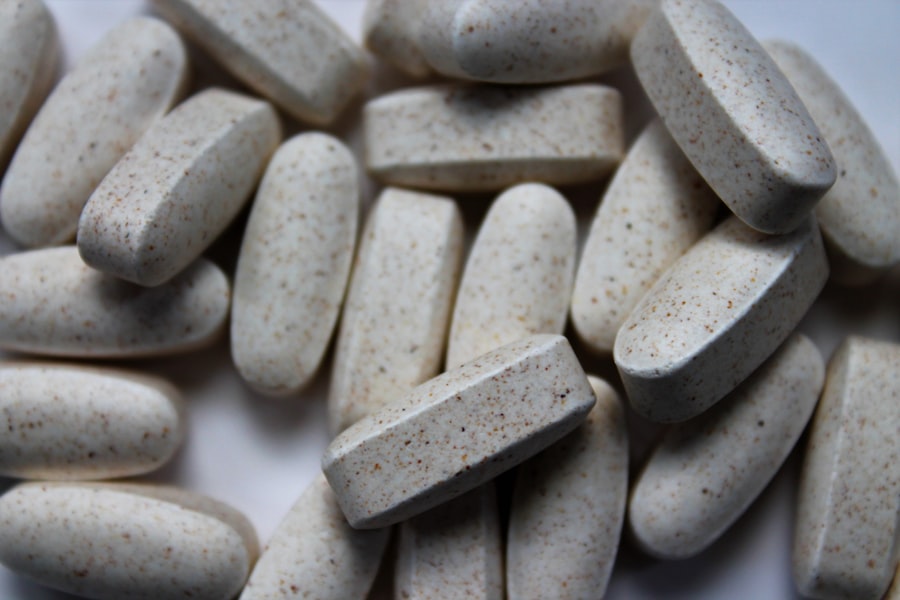
Navigating the world of vitamin supplements can be overwhelming, especially with so many options available on the market. When choosing the best vitamin supplements for your child, it’s essential to consider their specific needs and dietary habits. Look for products that are age-appropriate and formulated specifically for children.
It’s also crucial to read labels carefully. Look for supplements that contain no artificial colors, flavors, or preservatives.
Additionally, consider those that have been third-party tested for quality and potency. Consulting with a healthcare professional can provide valuable insights into which supplements may be necessary based on your child’s diet and lifestyle. Remember, while supplements can be beneficial, they should complement a balanced diet rather than replace it.
Tips for Incorporating Vitamins into Your Child’s Diet
| Vitamin | Food Sources | Recommended Daily Intake |
|---|---|---|
| Vitamin A | Carrots, sweet potatoes, spinach | Age 1-3: 300 mcg Age 4-8: 400 mcg |
| Vitamin C | Oranges, strawberries, bell peppers | Age 1-3: 15 mg Age 4-8: 25 mg |
| Vitamin D | Milk, fortified cereals, salmon | 600 IU |
| Vitamin E | Almonds, sunflower seeds, spinach | Age 1-3: 6 mg Age 4-8: 7 mg |
Incorporating vitamins into your child’s diet doesn’t have to be a daunting task. One effective strategy is to make meals colorful and appealing. Children are often drawn to vibrant fruits and vegetables, so aim to include a variety of colors on their plates.
For example, carrots and sweet potatoes are rich in vitamin A, while leafy greens like spinach and kale provide an abundance of vitamins K and C. Another tip is to involve your child in meal preparation. When children participate in cooking, they are more likely to try new foods and develop a positive relationship with healthy eating.
You can create fun recipes together that highlight nutrient-rich ingredients. Smoothies are an excellent way to sneak in various vitamins; simply blend fruits like bananas and berries with spinach or yogurt for a delicious treat packed with nutrients.
The Role of Vitamin D and Calcium in Children’s Bone Health
Vitamin D and calcium work hand-in-hand to support your child’s bone health. Vitamin D helps the body absorb calcium effectively, making it essential for developing strong bones. Without sufficient vitamin D, even the best dietary sources of calcium may not be utilized properly by the body.
This is particularly important during childhood when bones are rapidly growing and developing. Sunlight is one of the best natural sources of vitamin D; however, many children may not get enough sun exposure due to lifestyle factors or geographic location. In such cases, dietary sources like fortified milk, fatty fish, and egg yolks can help bridge the gap.
Additionally, ensuring your child consumes adequate calcium through dairy products or fortified plant-based alternatives is crucial for maintaining bone density and preventing future complications like osteoporosis.
Vitamin C and Zinc: Boosting Immune Function in Children

As parents, we all want our children to stay healthy and resilient against common illnesses. Vitamins C and zinc play vital roles in boosting immune function, making them essential components of your child’s diet. Vitamin C is known for its antioxidant properties; it helps protect cells from damage while supporting the production of white blood cells that fight infections.
Foods rich in vitamin C include citrus fruits, strawberries, bell peppers, and broccoli. Zinc is another powerhouse nutrient that contributes significantly to immune health. It aids in the development of immune cells and helps regulate their function.
Foods high in zinc include meat, shellfish, legumes, seeds, nuts, dairy products, and whole grains. By ensuring your child receives adequate amounts of both vitamin C and zinc through their diet or supplements when necessary, you can help fortify their immune system against seasonal colds and other illnesses.
The Benefits of Omega-3 Fatty Acids for Children’s Brain Health
When it comes to brain health, omega-3 fatty acids are often hailed as essential nutrients for children.
Omega-3s are known to support memory, focus, and overall cognitive performance.
Fatty fish like salmon, mackerel, and sardines are excellent sources of omega-3s; however, if your child is not fond of fish, there are alternative options available. Flaxseeds, chia seeds, walnuts, and algae-based supplements can provide plant-based sources of omega-3 fatty acids. Incorporating these foods into your child’s diet can help support their brain health and cognitive development as they grow.
Consulting with a Pediatrician for Personalized Vitamin Recommendations
While understanding vitamins is essential for promoting your child’s health, it’s equally important to consult with a pediatrician for personalized recommendations tailored to your child’s unique needs. A healthcare professional can assess your child’s dietary habits, growth patterns, and any specific health concerns you may have. They can then provide guidance on whether vitamin supplementation is necessary or if dietary adjustments can suffice.
Regular check-ups with a pediatrician also allow you to stay informed about any new research or guidelines regarding children’s nutrition. By working closely with a healthcare provider, you can ensure that your child receives the right balance of vitamins and nutrients needed for optimal growth and development. Remember that every child is different; what works for one may not work for another, so personalized advice is invaluable on this journey toward better health.
In conclusion, prioritizing vitamins in your child’s diet is an investment in their future well-being. By understanding their importance and incorporating essential nutrients into daily meals while consulting with healthcare professionals when needed, you can empower your child to thrive both physically and mentally as they grow into healthy adults.
When considering the best vitamins for children, it’s essential to ensure that their overall lifestyle supports their health and well-being. One aspect of modern life that can impact children’s health is their screen time. To help manage this, you might find it beneficial to explore strategies for reducing digital overload. An article that provides valuable insights into this is