
What Are The Best Eye Drops For Blurry Vision?
Blurry vision can be a frustrating and disorienting experience, often leaving you feeling uncertain about your surroundings. Imagine trying to read a book or navigate through a busy street, only to find that everything appears hazy and indistinct. This common visual disturbance can affect anyone at any age, and it can stem from a variety of underlying issues.
Understanding what blurry vision is and how it impacts your daily life is the first step toward regaining clarity. When you experience blurry vision, it’s essential to recognize that it’s not just a minor inconvenience; it can be a symptom of something more significant. Blurriness occurs when light rays do not focus correctly on the retina, the light-sensitive layer at the back of your eye.
This misalignment can lead to distorted images, making it difficult to see fine details. Whether it’s due to eye strain from prolonged screen time or an underlying health condition, acknowledging the problem is crucial for finding effective solutions.
Key Takeaways
- Blurry vision can be caused by a variety of factors, including refractive errors, eye strain, and underlying health conditions.
- Causes of blurry vision may include dry eyes, allergies, eye infections, and certain medications.
- Using eye drops for blurry vision can help to lubricate the eyes, reduce inflammation, and alleviate discomfort.
- Over-the-counter eye drops for blurry vision may include artificial tears, lubricating drops, and antihistamine drops.
- Prescription eye drops for blurry vision may be necessary for more severe cases, such as chronic dry eye or glaucoma.
Causes of Blurry Vision
The causes of blurry vision are as varied as the individuals who experience it. One of the most common culprits is refractive errors, which include nearsightedness, farsightedness, and astigmatism. These conditions occur when the shape of your eye prevents light from focusing directly on the retina.
If you’ve ever squinted to see something clearly, you may have encountered one of these refractive issues. Fortunately, they are often easily corrected with glasses or contact lenses. However, blurry vision can also signal more serious health concerns.
Conditions such as cataracts, glaucoma, and diabetic retinopathy can lead to significant visual impairment if left untreated. For instance, cataracts cause the lens of your eye to become cloudy, resulting in blurred or dim vision. Similarly, diabetic retinopathy affects the blood vessels in the retina, leading to potential vision loss.
Understanding these causes is vital for taking proactive steps toward maintaining your eye health.
Importance of Using Eye Drops for Blurry Vision
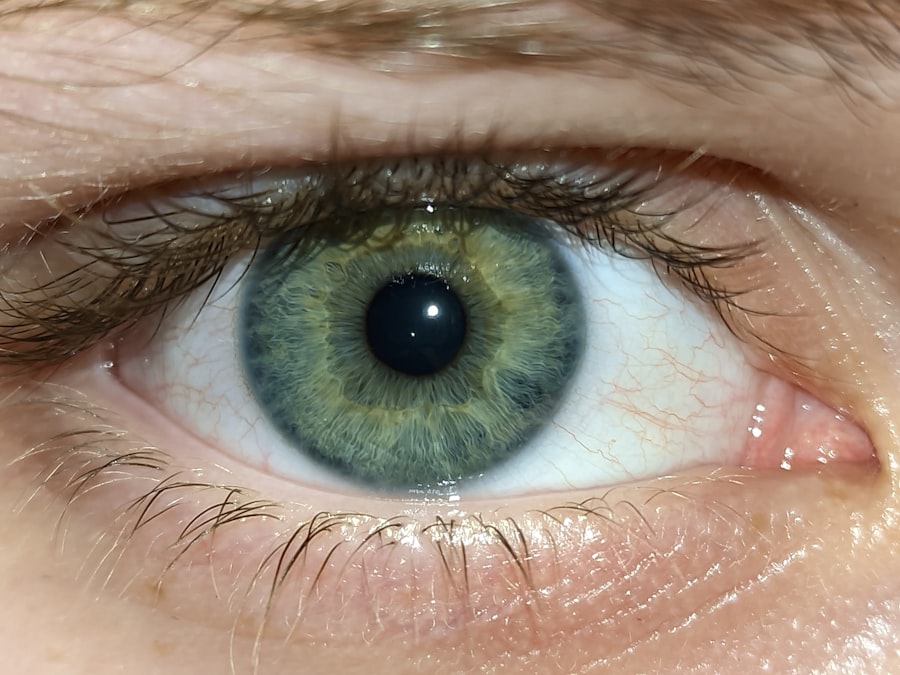
When faced with blurry vision, many people overlook the potential benefits of using eye drops. These small vials of liquid can provide significant relief for various eye-related issues, including dryness and irritation that often contribute to blurred sight. By lubricating the eyes and reducing discomfort, eye drops can help restore clarity and improve your overall visual experience.
Moreover, using eye drops can be a simple yet effective way to manage symptoms associated with environmental factors such as allergens or prolonged screen time. If you find yourself staring at a computer for hours on end, your eyes may become fatigued and dry, leading to blurred vision. Incorporating eye drops into your routine can help alleviate these symptoms and keep your eyes feeling refreshed and focused throughout the day.
Best Over-the-Counter Eye Drops for Blurry Vision
When it comes to over-the-counter eye drops for blurry vision, there are several options available that cater to different needs. One popular choice is artificial tears, which are designed to mimic natural tears and provide moisture to dry eyes. Brands like Refresh and Systane offer a range of formulations that can help soothe irritation and improve clarity.
Another effective option is preservative-free eye drops, which are ideal for those with sensitive eyes or who use eye drops frequently throughout the day. These drops come in single-use vials, ensuring that you receive a fresh dose each time without the risk of irritation from preservatives. Look for products like TheraTears or GenTeal for gentle yet effective relief.
Best Prescription Eye Drops for Blurry Vision
In some cases, over-the-counter options may not provide sufficient relief from blurry vision, necessitating a visit to your healthcare provider for prescription eye drops. One commonly prescribed option is Restasis, which helps increase tear production in individuals with chronic dry eye syndrome. By addressing the root cause of dryness, Restasis can significantly improve visual clarity.
Another prescription option is Xiidra, which works similarly by targeting inflammation in the eyes and promoting tear production. If you’re experiencing persistent blurry vision due to dry eyes or other underlying conditions, discussing these options with your doctor can lead to a tailored treatment plan that meets your specific needs.
Natural Remedies for Blurry Vision

If you prefer a more holistic approach to managing blurry vision, several natural remedies may help improve your eye health. One popular option is incorporating omega-3 fatty acids into your diet. Found in fatty fish like salmon and walnuts, omega-3s have been shown to support eye health by reducing inflammation and promoting tear production.
Additionally, practicing good eye hygiene can make a significant difference in maintaining clear vision. Simple habits like taking regular breaks from screens—often referred to as the 20-20-20 rule—can help reduce eye strain.
Tips for Choosing the Right Eye Drops for Blurry Vision
Selecting the right eye drops for blurry vision can feel overwhelming given the myriad of options available on the market.
If dryness is your primary concern, look for artificial tears or lubricating drops that provide long-lasting moisture.
It’s also essential to consider any sensitivities or allergies you may have when selecting eye drops. Opting for preservative-free formulations can minimize irritation and ensure comfort during use. Lastly, don’t hesitate to consult with an eye care professional if you’re unsure which product is best suited for your needs; their expertise can help you make an informed decision.
When to See a Doctor for Blurry Vision
While occasional blurry vision may not be cause for alarm, there are specific situations where seeking medical attention is crucial. If you experience sudden changes in your vision—such as a rapid onset of blurriness or loss of sight—it’s essential to consult a healthcare professional immediately. These symptoms could indicate a serious condition that requires prompt intervention.
Additionally, if blurry vision persists despite using over-the-counter remedies or if it’s accompanied by other symptoms like pain, redness, or light sensitivity, don’t hesitate to reach out to your doctor. Early detection and treatment are key in preserving your vision and overall eye health. Remember, taking proactive steps today can lead to clearer vision tomorrow!
If you’re exploring solutions for blurry vision, you might also be interested in enhancing your overall well-being, which can positively impact eye health. A related article that could provide valuable insights is “10 Foundational Practices for a Good Life.” This piece offers practical advice on lifestyle changes that can contribute to better health, including eye health. You can read more about these practices by visiting the article through this link: 10 Foundational Practices for a Good Life. By integrating these foundational practices into your daily routine, you may find improvements not only in your vision but in your overall quality of life.
FAQs
What causes blurry vision?
Blurry vision can be caused by a variety of factors, including refractive errors (such as nearsightedness or farsightedness), dry eyes, eye strain, cataracts, glaucoma, and other eye conditions. It can also be a symptom of underlying health issues such as diabetes or high blood pressure.
What are the best eye drops for blurry vision?
The best eye drops for blurry vision depend on the underlying cause. For dry eyes, artificial tears or lubricating eye drops can help improve vision. For allergies, antihistamine eye drops may be effective. It’s important to consult with an eye care professional to determine the best eye drops for your specific condition.
Can eye drops improve blurry vision caused by dry eyes?
Yes, lubricating eye drops or artificial tears can help improve blurry vision caused by dry eyes. These eye drops can help moisturize the eyes and provide relief from dryness, which can in turn improve vision clarity.
Are there prescription eye drops for blurry vision?
In some cases, prescription eye drops may be recommended to treat underlying conditions that cause blurry vision, such as glaucoma or eye infections. These eye drops are typically prescribed by an eye care professional and should be used according to their instructions.
Can eye drops alone treat blurry vision?
Eye drops may help improve blurry vision in some cases, such as dry eyes or eye irritation. However, it’s important to address the underlying cause of blurry vision, which may require a comprehensive eye exam and treatment by an eye care professional.