
6 Gentle Exercises to Keep Knees Strong as You Age
As individuals age, the importance of maintaining knee strength becomes increasingly evident. The knees are pivotal joints that bear the weight of the body and facilitate movement, making them susceptible to wear and tear over time. For aging adults, weakened knee muscles can lead to a host of issues, including pain, instability, and a decreased ability to perform daily activities.
This decline in knee strength can significantly impact overall mobility and quality of life. Research indicates that maintaining strong knee muscles can help mitigate the risk of falls, enhance balance, and improve functional capabilities, allowing older adults to remain active and independent. Moreover, knee strength is crucial for preventing injuries.
As the body ages, the cartilage in the knee joint may deteriorate, leading to conditions such as osteoarthritis. Strengthening the muscles around the knee can provide better support for the joint, reducing the likelihood of injury and alleviating pain associated with degenerative conditions. Engaging in regular exercises that focus on knee strength not only helps in preserving joint health but also promotes better alignment and biomechanics during movement.
This is particularly important for older adults who may already be dealing with chronic pain or mobility issues.
Key Takeaways
- Knee strength is crucial for aging adults to maintain mobility and independence
- Low-impact cardio exercises like swimming and cycling can help reduce knee joint pain
- Resistance training, such as squats and lunges, can improve knee strength and stability
- Flexibility and stretching exercises, like yoga and Pilates, can help maintain knee health
- Balance and stability exercises, such as standing on one leg, can support the knees and prevent falls
- Water aerobics is a gentle exercise option that can improve knee health without putting stress on the joints
- Yoga and Tai Chi can improve knee flexibility and strength through gentle, controlled movements
- Incorporating gentle knee exercises into daily routine, such as taking the stairs or going for a walk, can help maintain knee health
Low-Impact Cardio Exercises for Knee Joint Pain
Low-impact cardio exercises are an excellent way for aging adults to maintain cardiovascular health while minimizing stress on the knees. Activities such as walking, cycling, and swimming provide effective aerobic workouts without the jarring impact associated with high-intensity exercises. For instance, walking on a flat surface or using a treadmill with a slight incline can enhance cardiovascular fitness while being gentle on the joints.
The rhythmic motion of walking also promotes circulation, which is essential for joint health and recovery. Cycling, whether on a stationary bike or outdoors, is another low-impact option that strengthens the muscles around the knee without excessive strain. The circular motion of pedaling helps to build endurance and muscle strength in the quadriceps and hamstrings, which are vital for knee stability.
Additionally, swimming offers a unique advantage as it allows individuals to engage in a full-body workout while buoyed by water, significantly reducing joint stress. Water’s natural resistance also aids in muscle strengthening without the risk of injury, making it an ideal choice for those experiencing knee pain.
Resistance Training for Knee Strength

Resistance training plays a critical role in enhancing knee strength among aging adults. By incorporating exercises that target the major muscle groups surrounding the knee—such as the quadriceps, hamstrings, and calves—individuals can improve their overall stability and support for the joint. Simple exercises like leg presses, squats, and lunges can be modified to suit various fitness levels.
For example, using resistance bands or light weights can provide additional support while still challenging the muscles effectively. In addition to traditional resistance exercises, functional movements that mimic daily activities can be particularly beneficial. For instance, performing sit-to-stand exercises helps strengthen the muscles used when getting up from a chair or standing up from a seated position.
This not only builds strength but also enhances coordination and balance. It is essential for aging adults to focus on proper form and technique during resistance training to prevent injury and maximize benefits. Working with a physical therapist or certified trainer can provide guidance tailored to individual needs and limitations.
Flexibility and Stretching Exercises for Knee Health
Flexibility is a crucial component of knee health that is often overlooked in exercise regimens for aging adults. Stretching exercises help maintain the elasticity of muscles and tendons surrounding the knee joint, which can prevent stiffness and improve range of motion. Incorporating regular stretching into a fitness routine can alleviate tension in the muscles that support the knee, thereby reducing discomfort and enhancing mobility.
Simple stretches such as hamstring stretches, calf stretches, and quadriceps stretches can be performed daily to promote flexibility. Dynamic stretching before engaging in physical activity is equally important as it prepares the muscles for movement. Gentle leg swings or walking lunges can increase blood flow to the muscles while improving flexibility.
Post-exercise static stretching is also beneficial as it aids in recovery and helps prevent injuries by allowing muscles to relax after exertion. Aging adults should aim to hold each stretch for at least 15-30 seconds while breathing deeply to enhance relaxation and effectiveness.
Balance and Stability Exercises for Knee Support
Balance and stability exercises are essential for supporting knee health, particularly as individuals age. A strong sense of balance reduces the risk of falls, which can lead to serious injuries such as fractures or sprains. Exercises that challenge balance—such as single-leg stands, heel-to-toe walks, or using balance boards—can significantly enhance proprioception and coordination.
These activities engage the core muscles as well as those surrounding the knees, providing comprehensive support for overall stability. Incorporating balance training into a regular exercise routine can be both fun and functional.
The fluid motions involved in tai chi not only strengthen the muscles around the knees but also improve mental focus and relaxation. Engaging in group classes or community programs focused on balance training can foster social connections while enhancing physical health.
Water Aerobics as a Gentle Exercise Option for Knee Health
Water aerobics presents an excellent option for aging adults seeking gentle yet effective exercise for knee health. The buoyancy of water reduces impact on joints while providing resistance that helps strengthen muscles without excessive strain. Classes typically involve a variety of movements designed to improve cardiovascular fitness, flexibility, and strength—all crucial elements for maintaining healthy knees.
The supportive environment of water allows individuals to perform exercises they might find challenging on land. In addition to traditional water aerobics routines, activities such as aqua jogging or water walking can be beneficial for knee health. These exercises mimic land-based movements but with significantly less impact due to water’s cushioning effect.
Participants can also use flotation devices or resistance tools to enhance their workouts further. The social aspect of group classes adds an element of enjoyment and motivation, encouraging consistent participation in physical activity.
Yoga and Tai Chi for Knee Flexibility and Strength
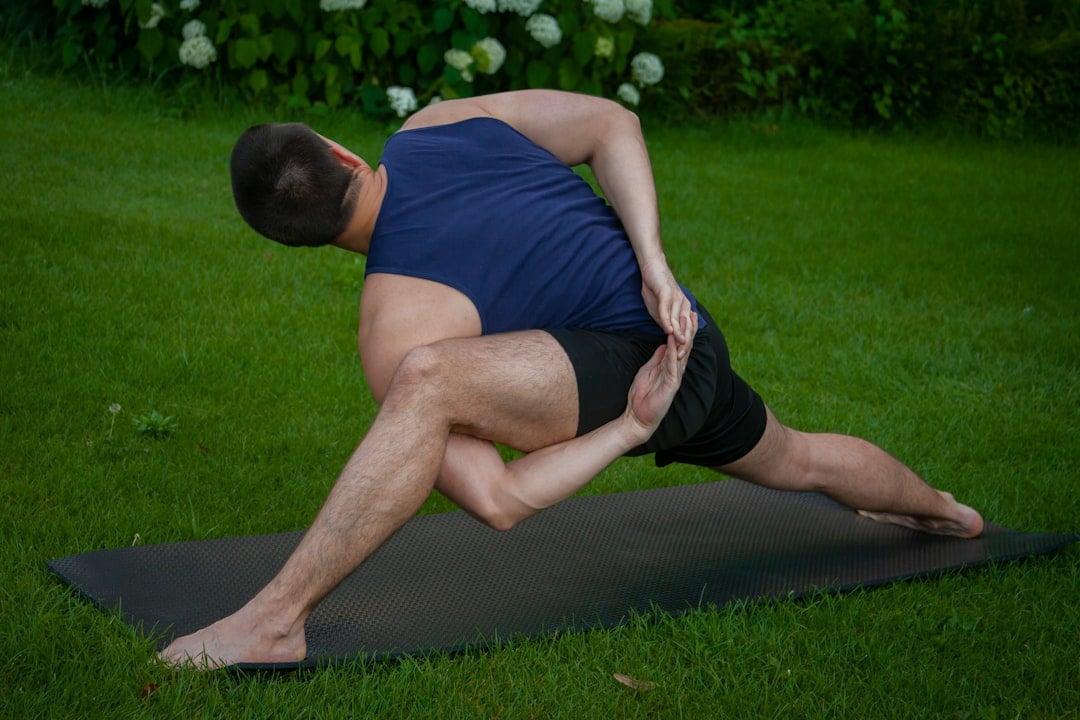
Yoga and tai chi are two practices that have gained popularity among aging adults for their holistic benefits on flexibility, strength, and overall well-being. Both disciplines emphasize controlled movements and deep breathing, which promote relaxation while enhancing physical capabilities. In yoga, poses such as Warrior I and II not only strengthen the legs but also improve balance and stability around the knees.
Modifications can be made to accommodate varying levels of flexibility and strength, ensuring accessibility for all participants. Tai chi offers similar benefits through its slow, flowing movements that focus on balance and coordination. The practice encourages mindfulness and body awareness, which are essential for preventing falls and injuries.
Research has shown that regular participation in tai chi can lead to improved lower body strength and enhanced functional mobility among older adults. Both yoga and tai chi foster a sense of community when practiced in groups, providing social interaction alongside physical benefits.
Tips for Incorporating Gentle Knee Exercises into Daily Routine
Incorporating gentle knee exercises into daily routines doesn’t have to be daunting; small changes can lead to significant improvements over time. One effective strategy is to set aside specific times during the day dedicated solely to exercise—whether it’s morning stretches or evening walks—creating a consistent habit that becomes part of daily life. Additionally, integrating movement into everyday activities can be beneficial; for instance, taking stairs instead of elevators or standing while talking on the phone can promote knee health without requiring extra time.
Another practical approach is to utilize reminders or cues throughout the day to encourage movement breaks. Setting alarms or using smartphone apps designed for fitness can prompt individuals to engage in short exercise sessions or stretches every hour. Joining community classes or finding workout buddies can also enhance motivation and accountability while making exercise more enjoyable.
Ultimately, prioritizing knee health through gentle exercises will contribute significantly to maintaining mobility and independence as one ages.
If you’re interested in maintaining your health and wellness as you age, you might also find value in exploring tools that can help organize your daily routine and keep you on track with your fitness goals. For instance, the article 8 of the Best Planner Apps You Can Use in 2022 offers insights into digital planners that can assist in scheduling your exercise routines, including the gentle knee-strengthening exercises discussed in “9 Gentle Exercises to Keep Knees Strong as You Age.” By integrating these planner apps into your daily life, you can ensure a balanced approach to maintaining both your physical health and time management.
FAQs
What are gentle exercises for keeping knees strong as you age?
Some gentle exercises for keeping knees strong as you age include leg lifts, hamstring curls, calf raises, wall squats, and seated leg extensions.
Why is it important to keep knees strong as you age?
Keeping knees strong as you age is important for maintaining mobility, preventing injury, and reducing the risk of developing knee-related conditions such as osteoarthritis.
How often should I do these gentle knee exercises?
It is recommended to perform these gentle knee exercises 2-3 times per week to maintain knee strength and flexibility.
Are there any exercises to avoid if I have knee pain?
If you have knee pain, it is best to avoid high-impact activities such as running or jumping, as well as deep squats and lunges. It is important to consult with a healthcare professional before starting any new exercise routine.
Can these exercises help with knee pain?
Yes, these gentle exercises can help strengthen the muscles around the knee, which can provide support and reduce knee pain. However, it is important to consult with a healthcare professional for personalized advice.