
5 Ways to Improve Knee Health
Knee health is a crucial aspect of overall well-being that often goes overlooked until discomfort arises. Your knees are essential for mobility, allowing you to walk, run, jump, and engage in countless daily activities. When you think about it, your knees bear the weight of your body and absorb the impact of movement, making them susceptible to wear and tear over time.
Understanding the importance of maintaining healthy knees can empower you to take proactive steps in preserving their function and preventing injuries. Moreover, knee health is not just about avoiding pain; it significantly impacts your quality of life. Healthy knees enable you to participate in sports, enjoy outdoor activities, and maintain an active lifestyle.
When knee problems arise, they can lead to limitations that affect not only your physical capabilities but also your mental and emotional well-being. By prioritizing knee health, you can enhance your mobility, independence, and overall happiness.
Key Takeaways
- Knee health is important for overall mobility and quality of life
- Low-impact exercises can help maintain knee health and reduce stress on the joints
- Maintaining a healthy weight can alleviate knee stress and reduce the risk of injury
- Strengthening the muscles surrounding the knee joint can provide added support and stability
- Practicing proper form and technique during physical activities can prevent knee injuries and strain
Incorporating Low-Impact Exercises into Your Routine
Integrating low-impact exercises into your fitness regimen is an excellent way to promote knee health while minimizing stress on the joints. Activities such as swimming, cycling, and walking are gentle on the knees yet effective in building strength and endurance. These exercises allow you to stay active without the jarring impact associated with high-intensity workouts.
By choosing low-impact options, you can enjoy the benefits of exercise while protecting your knees from potential injury. In addition to being easier on your joints, low-impact exercises can also improve flexibility and range of motion in the knee area. Engaging in activities like yoga or Pilates can help you develop better balance and coordination, which are essential for preventing falls and injuries.
As you incorporate these exercises into your routine, you’ll likely notice an increase in your overall fitness level, making it easier to engage in other physical activities without discomfort.
Maintaining a Healthy Weight to Alleviate Knee Stress
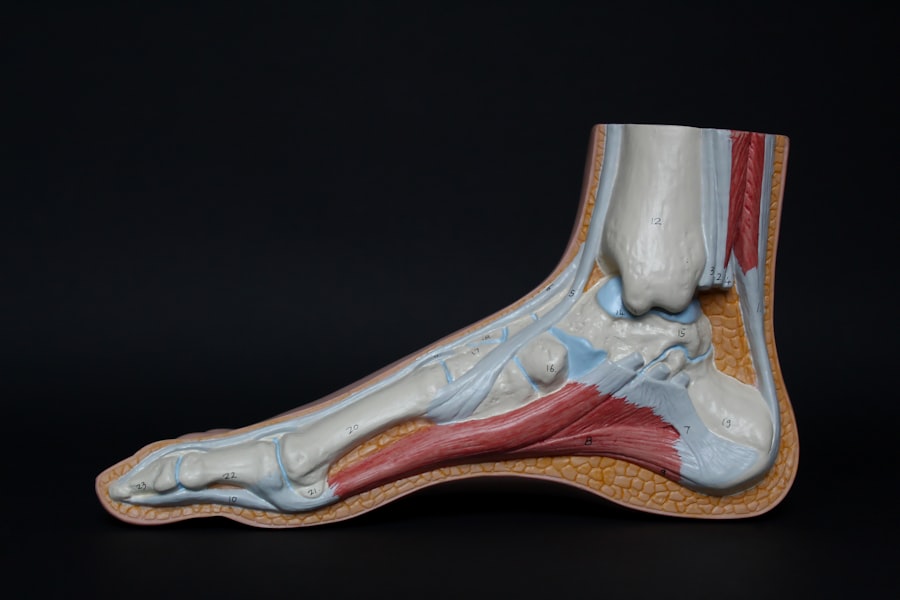
Your weight plays a significant role in the health of your knees. Carrying excess weight places additional stress on your joints, particularly the knees, which can lead to pain and long-term damage.
Even a modest weight loss can have a profound impact on knee health, making it easier for you to move freely and comfortably. To achieve and maintain a healthy weight, it’s essential to adopt a balanced diet and engage in regular physical activity. Focus on consuming nutrient-dense foods that provide the vitamins and minerals necessary for joint health.
Incorporating whole grains, lean proteins, fruits, and vegetables into your meals can help you manage your weight while nourishing your body. Additionally, combining dietary changes with consistent exercise will not only support weight loss but also enhance your overall fitness and well-being.
Strengthening the Muscles Surrounding the Knee Joint
| Exercise | Repetitions | Sets | Resistance |
|---|---|---|---|
| Squats | 12-15 | 3 | Body weight or dumbbells |
| Lunges | 10-12 each leg | 3 | Body weight or barbells |
| Leg Press | 10-12 | 3 | Machine weight |
| Leg Extensions | 12-15 | 3 | Machine weight |
Strengthening the muscles around your knee joint is vital for providing stability and support.
By focusing on exercises that target these muscle groups, you can enhance their strength and resilience, reducing the risk of injury.
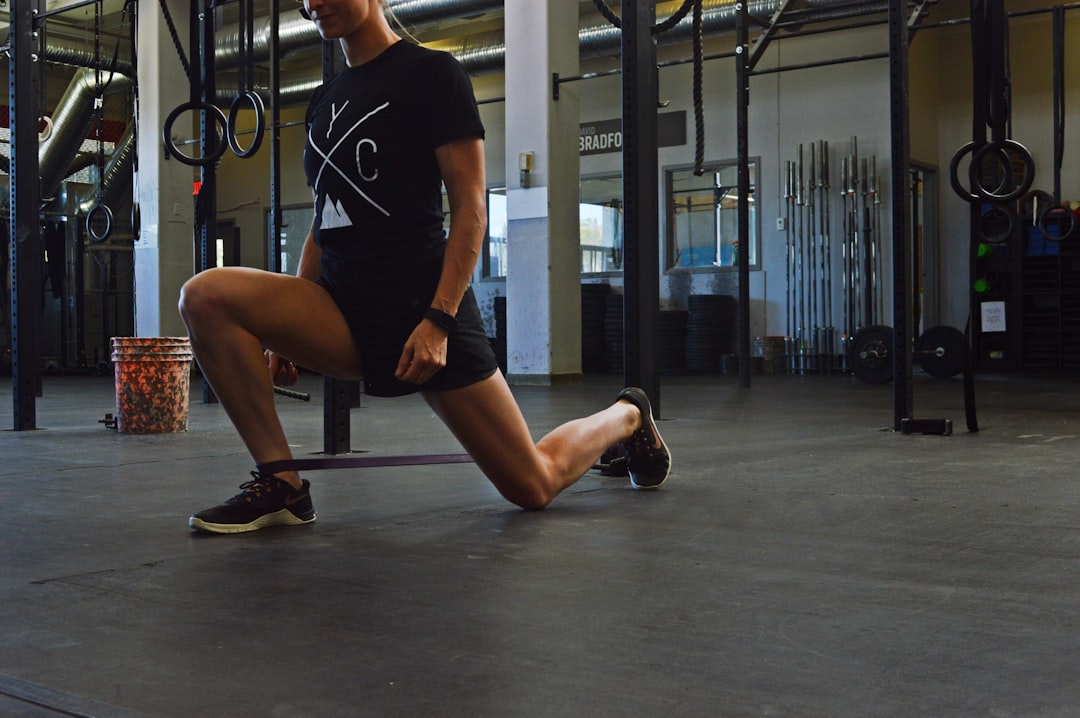
Simple exercises like leg lifts, squats, and lunges can be incredibly effective in building muscle around the knee. Incorporating resistance training into your routine can further enhance muscle strength. Using resistance bands or weights can provide additional challenges that promote muscle growth and endurance.
As you strengthen these muscles, you’ll likely notice improved balance and coordination, which are essential for maintaining knee health as you age. Remember to start slowly and gradually increase the intensity of your workouts to avoid overexertion.
Practicing Proper Form and Technique During Physical Activities
Proper form and technique during physical activities are essential for protecting your knees from injury. Whether you’re running, lifting weights, or participating in sports, using correct posture can significantly reduce the strain on your joints. For instance, when performing squats or lunges, ensure that your knees do not extend beyond your toes to prevent undue stress on the joint.
Being mindful of your body mechanics can make a world of difference in maintaining knee health. Additionally, taking the time to warm up before engaging in physical activities is crucial for preparing your muscles and joints for movement. Dynamic stretches can help increase blood flow to the muscles surrounding the knee, enhancing flexibility and reducing the risk of injury.
As you become more aware of your body mechanics and practice proper techniques consistently, you’ll find that you can enjoy physical activities with greater confidence and less discomfort.
Using Supportive Gear and Equipment to Protect the Knees
Investing in supportive gear and equipment can be a game-changer for knee health. Whether you’re an athlete or simply enjoy recreational activities, using knee braces or supports can provide additional stability during movement. These devices help distribute weight evenly across the joint, reducing strain and minimizing the risk of injury.
If you’re recovering from an injury or have pre-existing knee issues, wearing supportive gear can offer peace of mind as you engage in physical activities. In addition to braces, consider using appropriate footwear designed for your specific activities. Shoes with proper arch support and cushioning can significantly impact how your knees absorb shock during movement.
When participating in high-impact sports or activities, selecting shoes that provide adequate support can help prevent injuries and promote long-term knee health. By being proactive about using supportive gear, you can enjoy your favorite activities while safeguarding your knees.
Seeking Professional Guidance and Treatment for Knee Issues
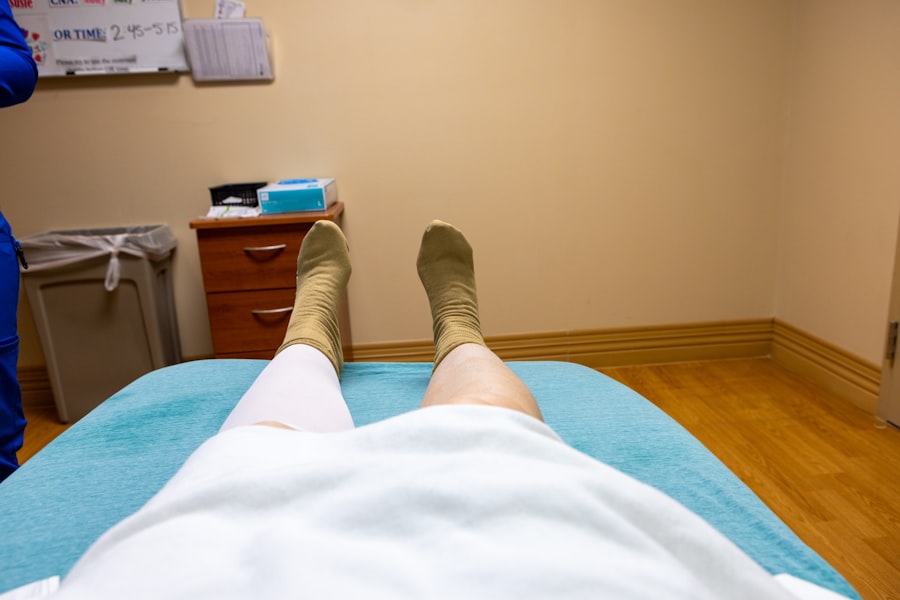
If you’re experiencing persistent knee pain or discomfort, seeking professional guidance is essential for addressing potential issues early on. A healthcare provider or physical therapist can assess your condition and recommend appropriate treatment options tailored to your needs. They may suggest specific exercises or therapies designed to alleviate pain and improve function.
By taking this proactive approach, you can prevent minor issues from escalating into more significant problems. In some cases, medical interventions may be necessary to address underlying conditions affecting your knees. This could include physical therapy sessions focused on rehabilitation or even surgical options if conservative treatments are ineffective.
Regardless of the approach taken, working with professionals ensures that you’re receiving expert advice tailored to your unique situation. Remember that early intervention is key to maintaining long-term knee health.
Implementing Rest and Recovery Strategies for Knee Health
Rest and recovery are often overlooked components of maintaining knee health but are equally important as exercise and strength training. Your knees need time to recover from physical activity to prevent overuse injuries and promote healing. Incorporating rest days into your routine allows your muscles and joints to recuperate effectively.
Listen to your body; if you’re feeling fatigued or experiencing discomfort, it’s essential to give yourself permission to rest. In addition to scheduled rest days, consider implementing recovery strategies such as ice therapy or gentle stretching after workouts. Ice can help reduce inflammation and alleviate pain following intense physical activity.
Gentle stretching promotes flexibility and helps maintain range of motion in the knee joint. By prioritizing rest and recovery alongside exercise, you’ll create a balanced approach that supports long-term knee health while allowing you to stay active and engaged in life. In conclusion, prioritizing knee health is essential for maintaining an active lifestyle and overall well-being.
By understanding its importance, incorporating low-impact exercises, maintaining a healthy weight, strengthening surrounding muscles, practicing proper form, using supportive gear, seeking professional guidance when needed, and implementing effective rest strategies, you can take significant steps toward preserving the health of your knees for years to come. Your knees are vital for mobility; treating them with care will enhance not only their longevity but also your quality of life.
Improving knee health is essential for maintaining mobility and overall well-being. One effective approach is to incorporate foundational practices that support joint health and flexibility. For those interested in a holistic approach to wellness, the article titled “10 Foundational Practices for a Good Life” offers valuable insights. These practices not only enhance knee health but also contribute to a balanced and fulfilling lifestyle. You can explore these practices further by visiting the article through this link: 10 Foundational Practices for a Good Life. By integrating these foundational habits into your daily routine, you can promote better knee health and overall physical well-being.
FAQs
What are some common causes of knee pain and discomfort?
Some common causes of knee pain and discomfort include osteoarthritis, rheumatoid arthritis, injuries such as ligament tears or meniscus tears, overuse or strain, and underlying medical conditions.
What are some exercises that can help improve knee health?
Exercises such as leg raises, hamstring curls, calf raises, and squats can help improve knee strength and flexibility. Low-impact activities like swimming and cycling can also be beneficial for knee health.
How can maintaining a healthy weight contribute to better knee health?
Excess weight can put added stress on the knees, leading to increased risk of knee pain and conditions such as osteoarthritis. Maintaining a healthy weight can help reduce this stress and improve overall knee health.
What are some dietary changes that can support knee health?
A diet rich in anti-inflammatory foods such as fruits, vegetables, whole grains, and healthy fats can help reduce inflammation in the body, which may benefit knee health. Additionally, adequate intake of calcium and vitamin D is important for maintaining strong bones.
What are some tips for preventing knee injuries during physical activity?
Wearing proper footwear, warming up before exercise, using proper form and technique, and gradually increasing intensity can all help prevent knee injuries during physical activity. It’s also important to listen to your body and avoid pushing through pain.